.png)
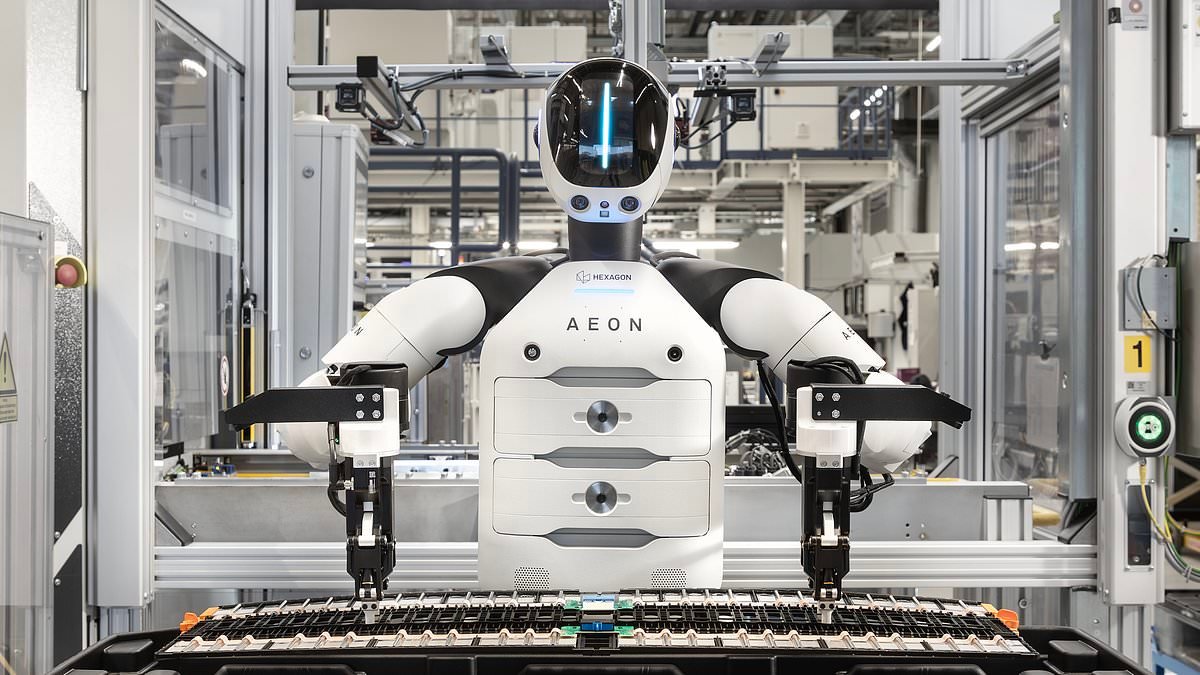
Your next BMW might be built by robots: German car giant is using AI humanoids in its Leipzig factory
BMW has begun integrating humanoid robots into its production line at the Leipzig factory in Germany. This initiative aims to enhance manufacturing efficiency and address labor shortages in the automotive industry.
What happened
The introduction of humanoid robots at BMW's Leipzig facility marks a significant shift in the company's production strategy. These robots are designed to assist human workers in various assembly tasks, thereby increasing productivity and precision on the factory floor. The deployment of these machines is part of BMW's broader effort to modernize its manufacturing processes.
Why this is gaining attention
This development is drawing attention due to the ongoing challenges faced by the automotive sector, including labor shortages and rising production costs. The use of humanoid robots represents a potential solution to these issues, allowing companies like BMW to maintain output levels while adapting to changing workforce dynamics.
What it means
The implementation of humanoid robots in BMW's Leipzig factory could set a precedent for other manufacturers in the automotive industry. It reflects a growing trend towards automation and advanced technology in production, which may influence future employment patterns and operational strategies across the sector.
Key questions
- Q: What is the situation?
A: BMW is using humanoid robots in its Leipzig factory to improve manufacturing efficiency. - Q: Why is this important now?
A: It addresses labor shortages and rising production costs in the automotive industry.








 English (US) ·