.png)
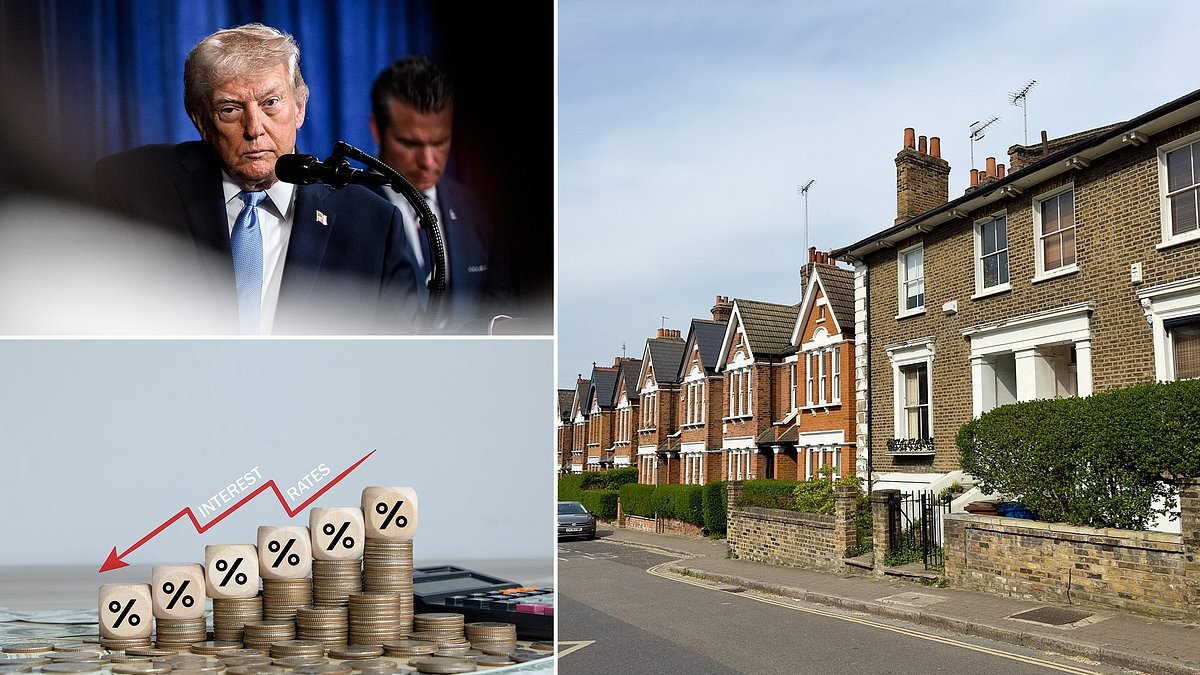
Will Britons See Mortgage Rates Fall as a Result of the Ceasefire in Iran?
The recent ceasefire agreement in Iran has raised questions about its potential impact on mortgage rates in the UK. Analysts are examining how this geopolitical development may influence global oil prices and, subsequently, inflation and interest rates.
What happened
A ceasefire was declared between Iranian forces and opposing groups, easing tensions in the region. This development comes amid ongoing concerns about rising oil prices due to geopolitical instability. The ceasefire is expected to stabilize oil production and distribution, which could lead to lower energy costs.
Why this is gaining attention
The connection between oil prices and inflation is significant for economies worldwide, including the UK. As energy costs contribute to overall inflation, any decrease in oil prices could influence the Bank of England's monetary policy decisions. Analysts are closely monitoring these developments to assess their potential effects on interest rates and mortgage affordability for Britons.
What it means
If oil prices decline as a result of the ceasefire, it may lead to lower inflation rates. This could prompt the Bank of England to reconsider its current interest rate strategy. Lower interest rates may result in reduced mortgage rates, making home financing more affordable for consumers. However, the extent of these changes will depend on various economic factors beyond the ceasefire.
Key questions
- Q: What is the situation?
A: A ceasefire in Iran has been declared, potentially stabilizing oil prices. - Q: Why is this important now?
A: Changes in oil prices can affect inflation and interest rates, impacting mortgage affordability in the UK.







 English (US) ·