.png)
Escalating Tensions in the Middle East: Potential for Wider Conflict
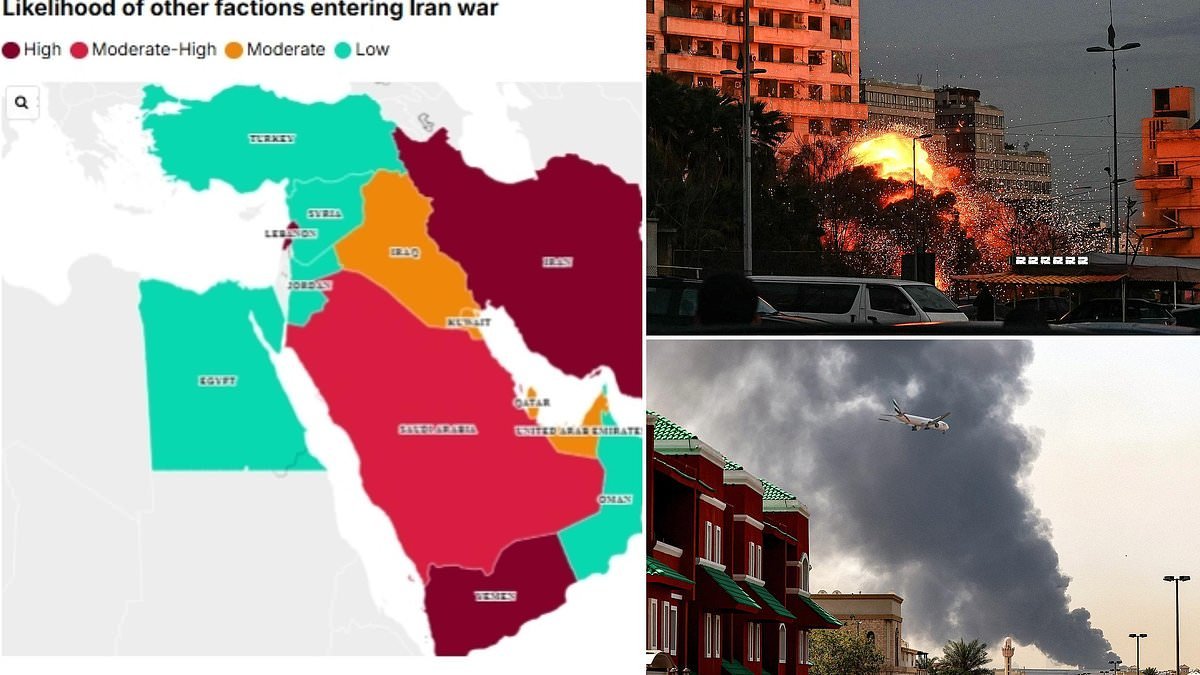
As Iran intensifies its military actions, including airstrikes on oil facilities in the region, concerns are rising about the possibility of other countries and militant groups joining the conflict. This escalation could significantly impact regional stability and global oil markets.
What happened
Iran has launched a series of attacks targeting oil infrastructure in neighboring countries. These strikes are part of a broader strategy to assert influence and retaliate against perceived threats. The attacks have prompted discussions among various nations and militant groups regarding their potential involvement in the conflict.
Why this is gaining attention
The situation is drawing international focus due to the strategic importance of oil in the global economy. Additionally, regional alliances and rivalries could lead to a wider confrontation involving multiple actors. The potential for escalation raises alarms about security and economic repercussions beyond the immediate area.
What it means
The ongoing hostilities could lead to increased military engagement from countries such as Saudi Arabia, Israel, and potentially others aligned against Iran. Militant groups with ties to Iran or opposing interests may also become more active. This situation poses risks not only to regional security but also to international trade routes and energy supplies.
Key questions
- Q: What is the situation?
A: Iran is conducting airstrikes on oil facilities in the region, raising concerns about broader conflict involvement. - Q: Why is this important now?
A: The escalation could destabilize the Middle East further and disrupt global oil markets.







 English (US) ·