.png)
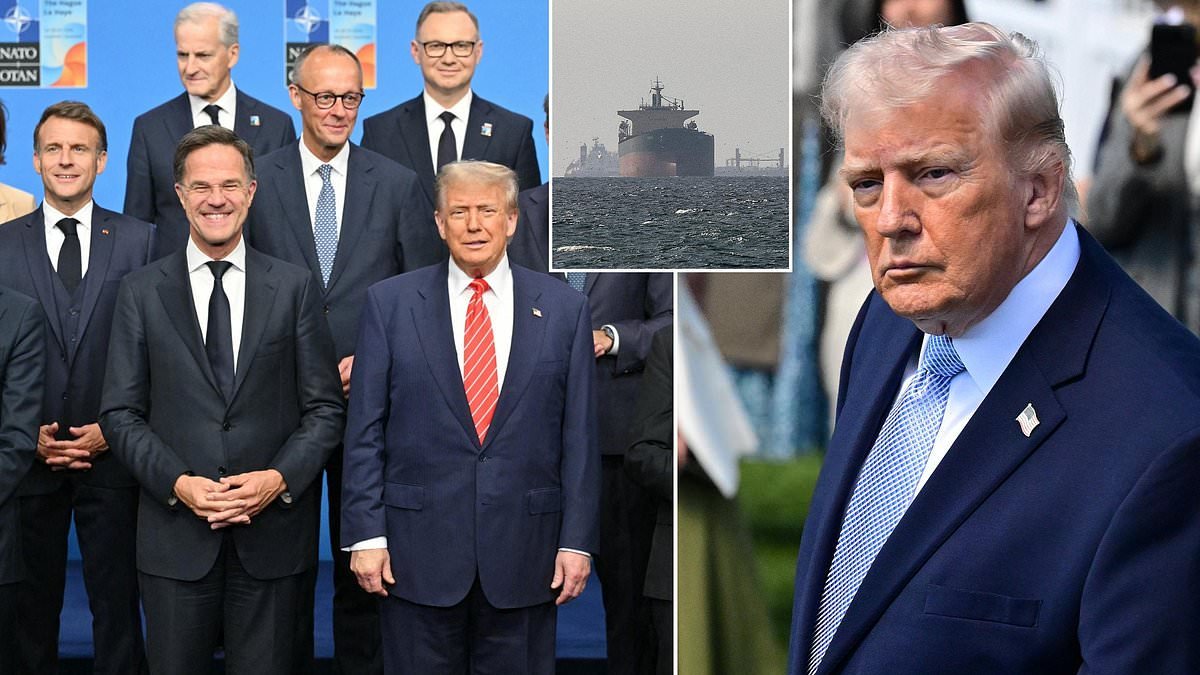
Voters split on Trump's threats to pull out of NATO over Hormuz fury
Recent polling indicates a divided opinion among U.S. voters regarding former President Donald Trump's suggestion to withdraw from NATO in response to tensions in the Strait of Hormuz. This debate arises amid rising geopolitical tensions and concerns over global security alliances.
What happened
Donald Trump stated that he might consider withdrawing the United States from NATO if member countries do not increase their defense spending. His comments come in the context of escalating tensions in the Strait of Hormuz, a crucial shipping route for oil. The former president's remarks have sparked discussions among voters about the implications for U.S. foreign policy and international security commitments.
Why this is gaining attention
The issue has gained traction as the situation in the Strait of Hormuz remains volatile, with increased military presence from various nations. Voter reactions reflect broader concerns about national security and the role of NATO in global stability. The split opinion highlights differing views on America's involvement in international alliances and defense strategies.
What it means
The divided voter sentiment underscores a critical debate about U.S. foreign policy direction. A potential withdrawal from NATO could have significant implications for transatlantic relations and collective defense initiatives. As discussions continue, the responses from both political leaders and constituents will shape future policy decisions regarding military alliances.
Key questions
- Q: What is the situation?
A: Trump has threatened to withdraw from NATO if member countries do not increase defense spending, amid rising tensions in the Strait of Hormuz. - Q: Why is this important now?
A: The comments reflect ongoing concerns about national security and the effectiveness of international alliances during heightened geopolitical tensions.








 English (US) ·