.png)
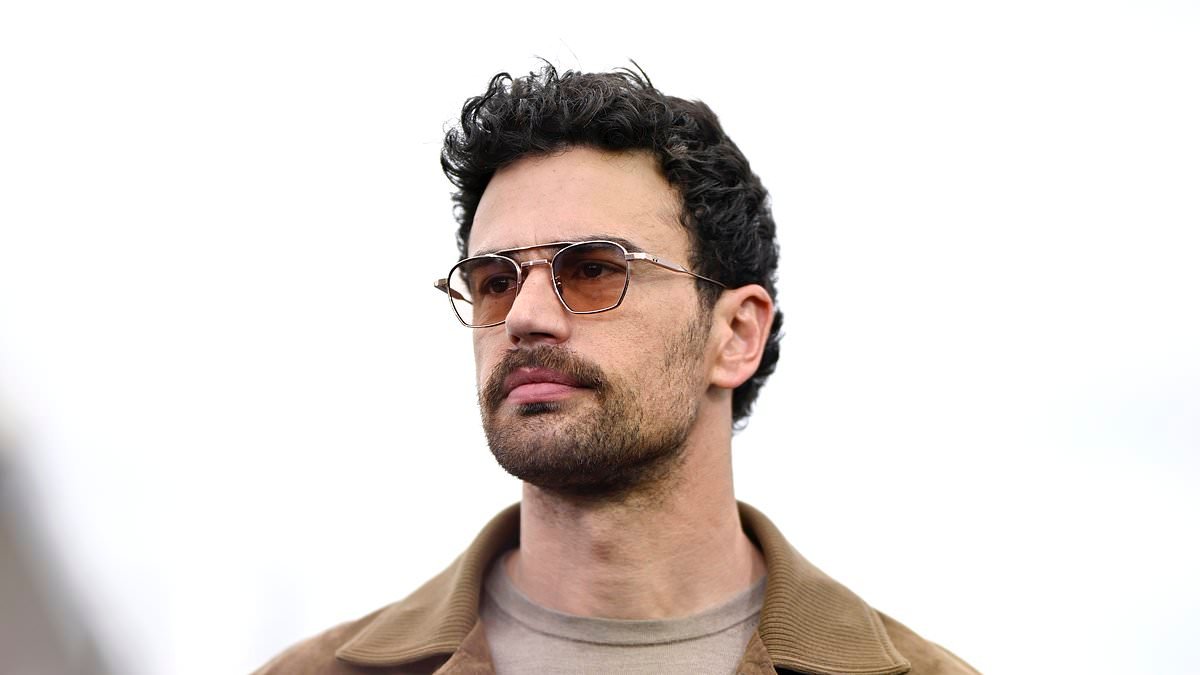
Theo James discusses challenges of fatherhood and critiques toxic masculinity
Theo James, the British actor known for his roles in "Divergent" and "The White Lotus," recently spoke about the challenges of parenthood, specifically addressing the fears associated with raising a son. His comments also included a critique of the "manosphere" and the concept of toxic masculinity, highlighting issues he perceives within these communities.
What happened
During an interview, Theo James expressed his concerns about the societal pressures surrounding masculinity. He described the experience of having a son as "terrifying" and emphasized the need for a more constructive dialogue about masculinity. He referenced the "deep emptiness" he sees in parts of the manosphere, which he believes contributes to harmful stereotypes and behaviors.
Why this is gaining attention
James's remarks have sparked discussions on social media and among parenting communities. His insights resonate with ongoing conversations about gender roles and the impact of toxic masculinity on both men and women. The timing coincides with a broader cultural focus on mental health and emotional well-being in parenting.
What it means
The actor's comments contribute to an evolving discourse on masculinity in contemporary society. By addressing these issues publicly, James may influence perceptions of fatherhood and encourage discussions about healthier expressions of masculinity. This conversation is relevant as many seek to redefine traditional gender roles in light of modern societal expectations.
Key questions
- Q: What is the situation?
A: Theo James has spoken out about his fears regarding raising a son and criticized toxic masculinity. - Q: Why is this important now?
A: His comments reflect ongoing societal discussions about gender roles and mental health in parenting.


 English (US) ·