.png)
British-Made Satellite Detects Activity Inside Iran's Nuclear Sites
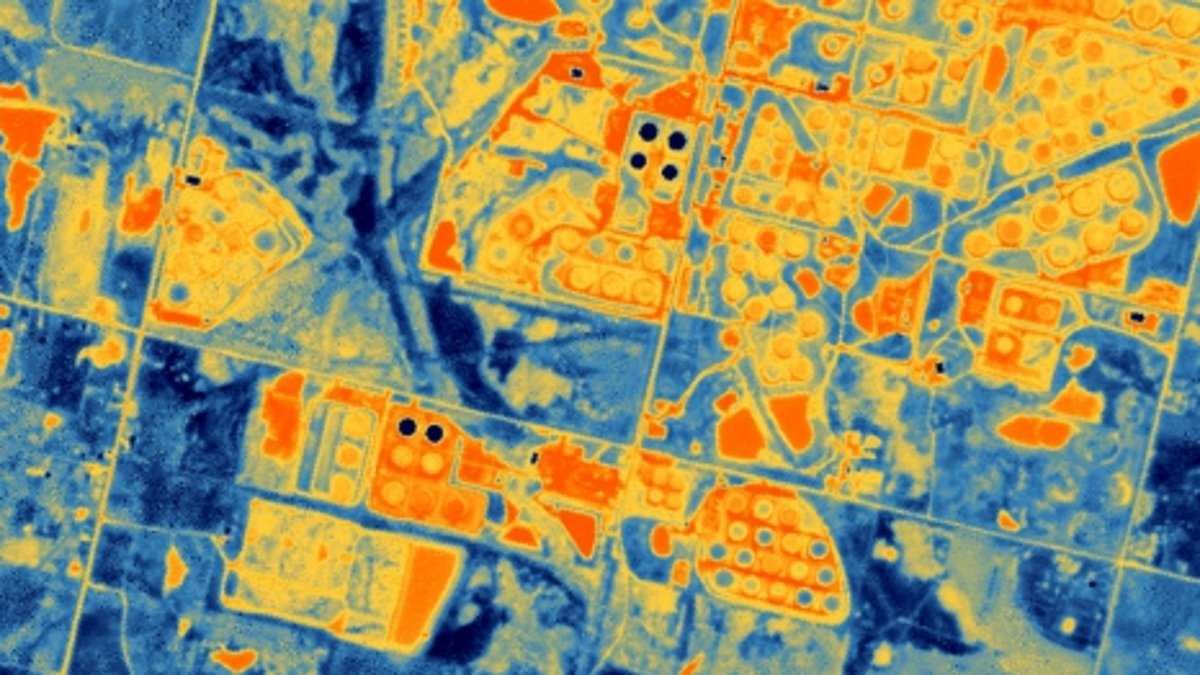
A new British satellite, SatVu, has been deployed to monitor Iran's nuclear facilities using advanced thermal imaging technology. The satellite can detect human activity through walls, raising concerns about the transparency of Iran's nuclear program.
What happened
SatVu, developed in the United Kingdom, utilizes cutting-edge thermal cameras to observe activities at Iranian nuclear sites. This technology allows for the detection of heat signatures, enabling the identification of personnel and equipment inside buildings that are otherwise shielded from traditional surveillance methods. The satellite's capabilities have been confirmed by defense analysts.
Why this is gaining attention
The deployment of SatVu comes amid heightened scrutiny of Iran's nuclear ambitions. Recent reports indicate that Iran has accelerated its uranium enrichment activities, which could lead to the development of nuclear weapons. The ability to monitor these sites closely is seen as crucial for international security and non-proliferation efforts.
What it means
The introduction of SatVu represents a significant advancement in satellite surveillance technology. Its ability to see through walls could provide intelligence agencies with critical information regarding Iran's nuclear activities. This development may influence diplomatic negotiations and international responses to Iran's nuclear program.
Key questions
- Q: What is the situation?
A: A British satellite named SatVu is monitoring Iran's nuclear sites using thermal imaging technology. - Q: Why is this important now?
A: Increased uranium enrichment by Iran has raised concerns about potential weaponization, making monitoring essential for global security.








 English (US) ·