.png)
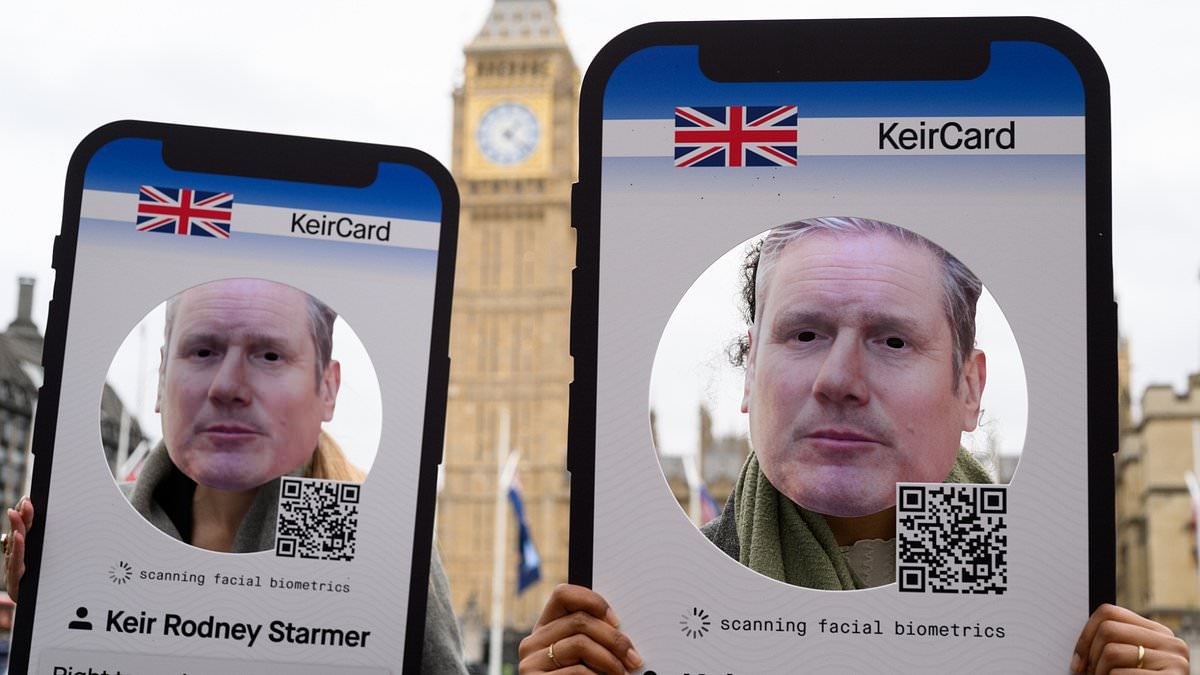
Starmer's 13th U-turn: Digital ID Cards Will Not Be Compulsory After Public Backlash
Labour leader Keir Starmer announced that digital ID cards will not be mandatory in the UK following significant public opposition to the proposed scheme. This decision marks the 13th policy reversal by Starmer since he took office, reflecting ongoing challenges within his leadership.
What happened
In a recent statement, Starmer confirmed that the Labour Party would abandon plans to implement compulsory digital ID cards. The announcement came after widespread criticism from various sectors of society, including civil liberties groups and members of the public who expressed concerns over privacy and government surveillance.
Why this is gaining attention
The issue of digital ID cards has sparked intense debate in the UK, particularly regarding individual rights and data protection. Public backlash intensified after details of the proposal emerged, leading to protests and vocal opposition from advocacy groups. The reversal is notable as it illustrates Starmer's responsiveness to public sentiment amid a politically charged environment.
What it means
This decision signifies a shift in Labour's approach to policy-making, highlighting the party's need to address public concerns more effectively. It also raises questions about future policy proposals and how they will be received by the electorate. The abandonment of compulsory digital ID cards may influence discussions around digital identity and privacy laws in the UK.
Key questions
- Q: What is the situation?
A: Keir Starmer has announced that digital ID cards will not be compulsory in the UK after public backlash. - Q: Why is this important now?
A: The decision reflects ongoing public concern over privacy issues and highlights Labour's responsiveness to voter sentiment.








 English (US) ·