.png)
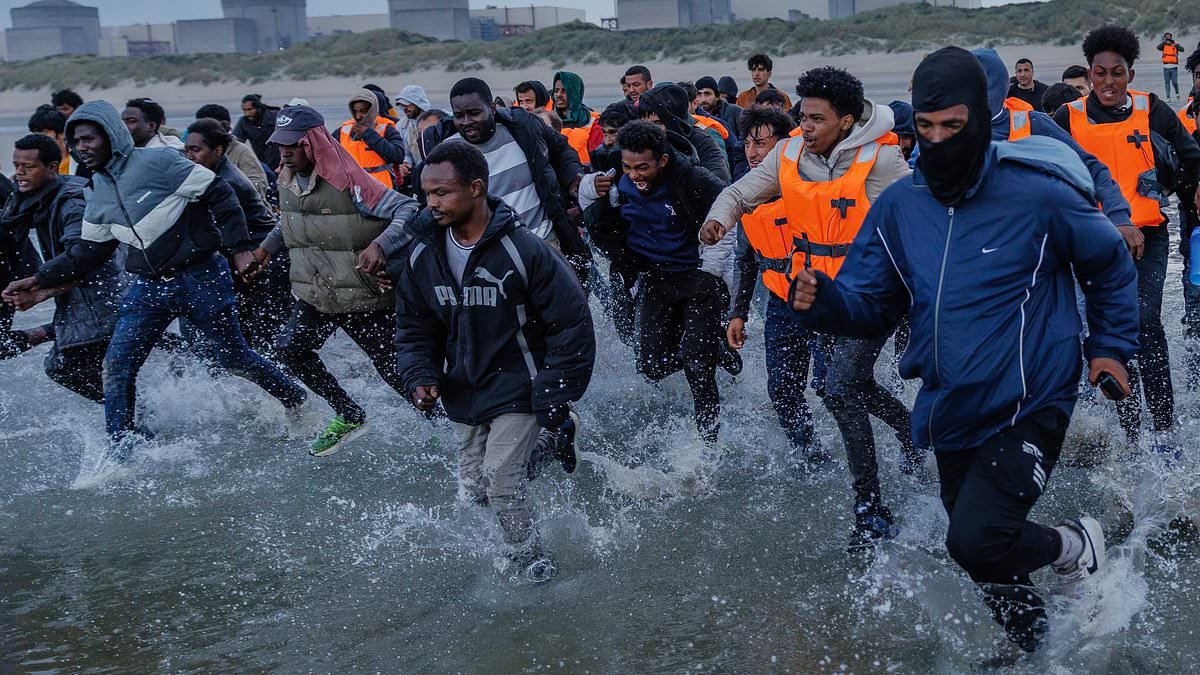
Small boats 'one in, one out' scheme faces new legal challenge as Channel migrants claim it breaches their rights under modern slavery laws
A legal challenge has emerged against the UK government's "one in, one out" policy regarding small boat crossings in the English Channel. Migrants assert that the scheme violates their rights under modern slavery legislation. This development raises significant questions about the treatment of individuals seeking asylum in the UK.
What happened
The legal action was initiated by a group of migrants who arrived in the UK via small boats. They argue that the "one in, one out" policy, which aims to limit the number of asylum seekers allowed to remain in the UK while others are processed, infringes on their rights under existing modern slavery laws. The case is expected to be heard in a UK court soon.
Why this is gaining attention
This issue has gained prominence due to ongoing debates about immigration policy and human rights protections in the UK. The "one in, one out" scheme has faced criticism from various advocacy groups who argue it undermines the legal rights of vulnerable individuals. The outcome of this legal challenge could have significant implications for future immigration policies and procedures.
What it means
The legal challenge highlights potential conflicts between government immigration strategies and human rights legislation. If the court rules in favor of the migrants, it may prompt a reevaluation of current policies regarding asylum seekers and could lead to changes in how such cases are managed moving forward.
Key questions
- Q: What is the situation?
A: Migrants are challenging the UK's "one in, one out" policy, claiming it breaches their rights under modern slavery laws. - Q: Why is this important now?
A: The case could influence future immigration policies and raise awareness of human rights issues related to asylum seekers.








 English (US) ·