.png)
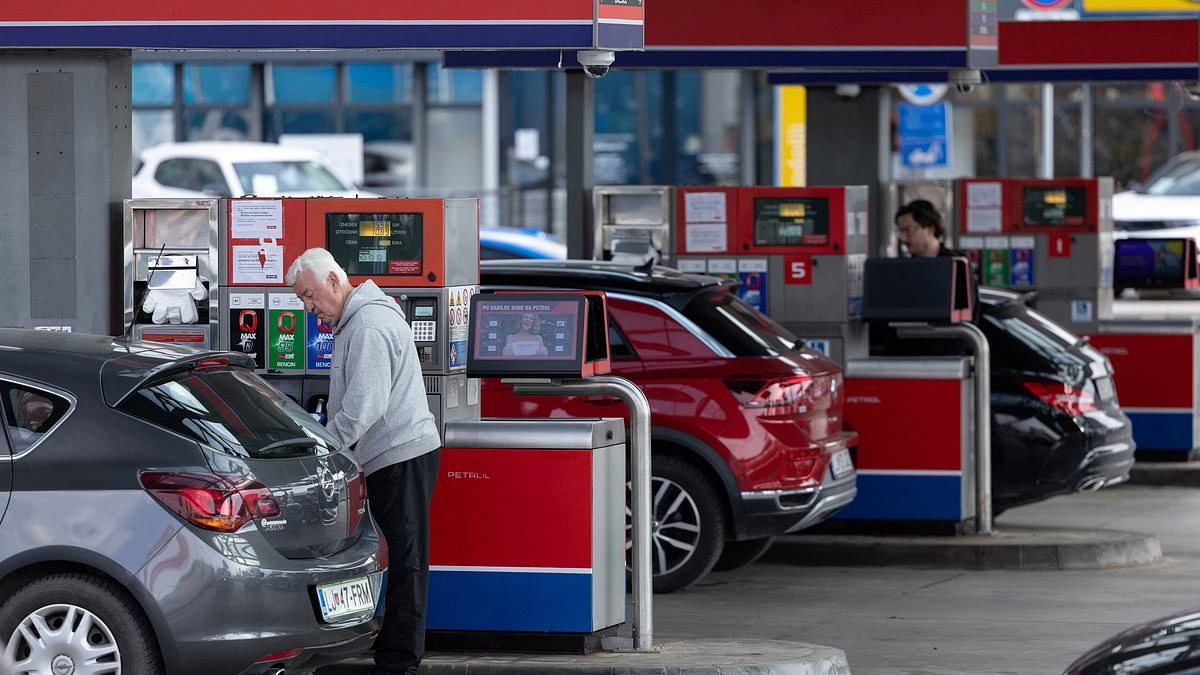
Slovenia Implements Petrol Rationing Amid Global Oil Shortages
Slovenia has introduced petrol rationing as part of measures to manage fuel supplies amid ongoing oil shortages linked to geopolitical tensions in the Middle East. This decision affects motorists across the country and reflects broader economic challenges faced globally.
What happened
The Slovenian government announced petrol rationing to address dwindling fuel reserves. Effective immediately, the policy limits the amount of petrol each vehicle can purchase at filling stations. This move comes as other countries also report fuel supply issues, including Vietnam, which is experiencing a shortage of jet fuel.
Why this is gaining attention
The implementation of petrol rationing in Slovenia has drawn significant attention due to its implications for daily life and transportation. Additionally, Vietnam's jet fuel crisis highlights a growing concern over aviation fuel availability, impacting air travel and logistics. In New Zealand, families will receive £22 per week in support as governments respond to rising living costs exacerbated by these global oil shortages.
What it means
The petrol rationing in Slovenia signifies a critical response to an escalating energy crisis that is affecting multiple nations. The situation underscores the interconnectedness of global economies and the potential for widespread disruptions in transportation and commerce. The financial assistance in New Zealand indicates a proactive approach to mitigate the economic impact on households facing increased expenses.
Key questions
- Q: What is the situation?
A: Slovenia has implemented petrol rationing due to oil shortages; Vietnam is facing a jet fuel crisis. - Q: Why is this important now?
A: These developments reflect ongoing global economic challenges linked to geopolitical tensions and rising fuel prices.




 English (US) ·