.png)
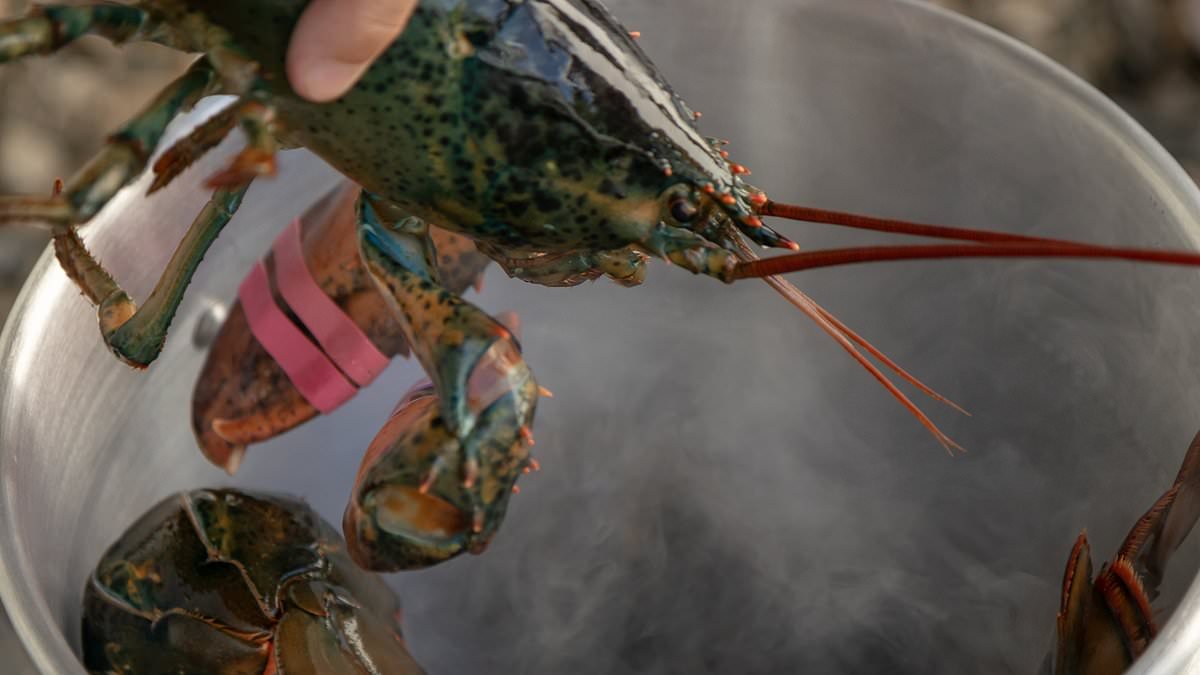
Scientists call for ban on boiling lobsters alive as study confirms crustaceans can feel pain
A group of scientists has urged for an immediate ban on the practice of boiling lobsters alive. This recommendation follows a recent study that provides evidence suggesting that crustaceans possess the ability to feel pain. The findings have sparked discussions about animal welfare standards in seafood preparation.
What happened
The call for a ban was made by researchers from various institutions who published their findings in a peer-reviewed journal. The study indicates that lobsters and other crustaceans exhibit physiological responses consistent with pain perception when exposed to extreme temperatures and other harmful stimuli. This has raised ethical concerns regarding current cooking practices.
Why this is gaining attention
The issue has gained significant media coverage due to increasing public interest in animal rights and welfare. As more consumers become aware of the potential suffering of crustaceans, there is growing pressure on regulatory bodies to reconsider existing laws related to the treatment of these animals in food production. The study's release coincides with ongoing debates about humane treatment in the food industry.
What it means
The implications of this research could lead to changes in legislation regarding how lobsters and other crustaceans are handled before cooking. If adopted, new regulations may require alternative methods of preparation that align with animal welfare standards. This could affect restaurants, seafood suppliers, and consumers alike, potentially reshaping industry practices.
Key questions
- Q: What is the situation?
A: Scientists are calling for a ban on boiling lobsters alive based on new evidence that suggests they can feel pain. - Q: Why is this important now?
A: The findings contribute to ongoing discussions about animal welfare and could influence future regulations in the seafood industry.








 English (US) ·