.png)
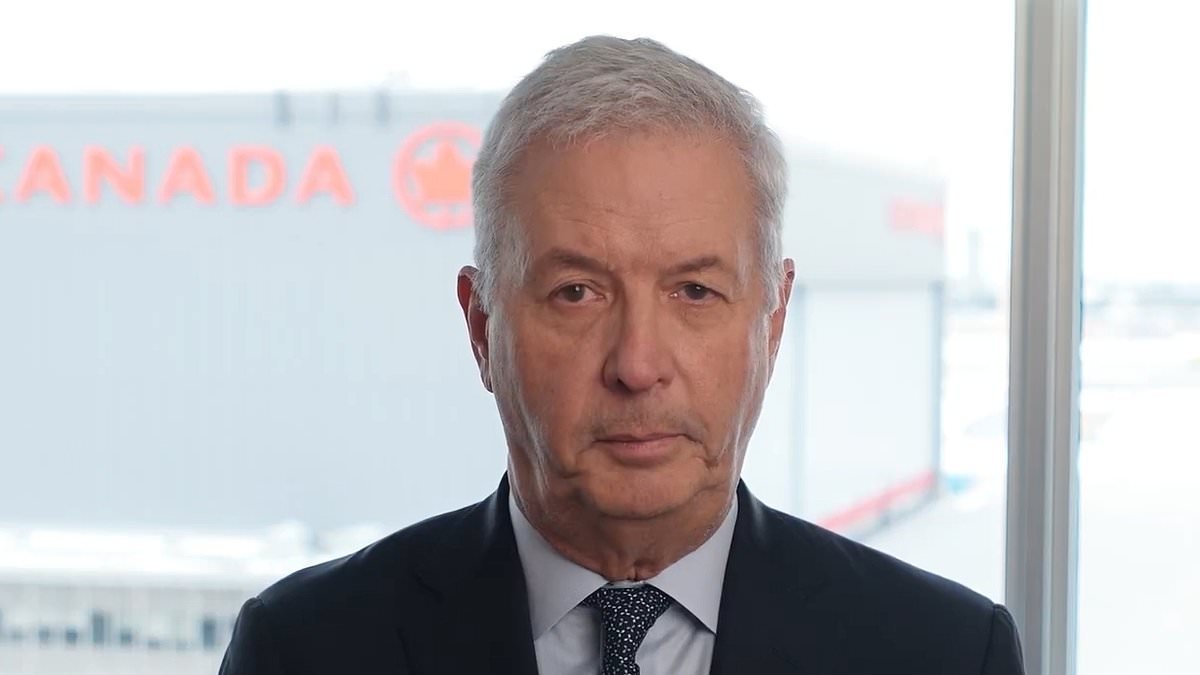
Ottawa Lawmakers Summon Air Canada CEO Over Language Issue Following LaGuardia Plane Crash
Ottawa lawmakers have summoned Air Canada CEO to address concerns regarding his communication following a recent plane crash at LaGuardia Airport. The incident has raised questions about the airline's commitment to bilingual communication in Canada.
What happened
The summons comes after the CEO issued a statement exclusively in English regarding the crash of an Air Canada flight at LaGuardia Airport. This decision has drawn criticism from members of the Canadian Parliament, who argue that it failed to respect Canada's official bilingualism policy, which mandates services in both English and French.
Why this is gaining attention
The issue has gained traction as it touches on broader themes of language rights and representation in Canada. Lawmakers are emphasizing the importance of providing information in both official languages, especially during significant events such as aviation incidents. The incident has sparked discussions about how corporations communicate with the public and the expectations for bilingual service in a country with a diverse linguistic landscape.
What it means
This situation highlights ongoing debates about language policy in Canada and the responsibilities of companies operating within its borders. The outcome of this meeting could influence future corporate communications and reinforce the necessity for adherence to bilingual standards in public announcements.
Key questions
- Q: What is the situation?
A: Air Canada CEO was summoned by Ottawa lawmakers due to a statement made only in English regarding a plane crash. - Q: Why is this important now?
A: It raises issues about bilingual communication and compliance with Canada's language policies during critical incidents.







 English (US) ·