.png)
Olympics Ban Transgender and DSD Athletes from Women's Sports
The International Olympic Committee (IOC) has announced a ban on transgender and athletes with differences in sexual development (DSD) from all women's sports. This decision was made during the latest meeting of the IOC Executive Board in Lausanne, Switzerland, and comes amid ongoing debates about fairness in competitive sports.
What happened
The IOC has implemented strict regulations that prohibit transgender women and DSD athletes from competing in women's categories across all Olympic events. This decision follows extensive discussions regarding the impact of biological sex on athletic performance. The new rules will require sex verification tests to ensure compliance, aiming to create a level playing field for female athletes.
Why this is gaining attention
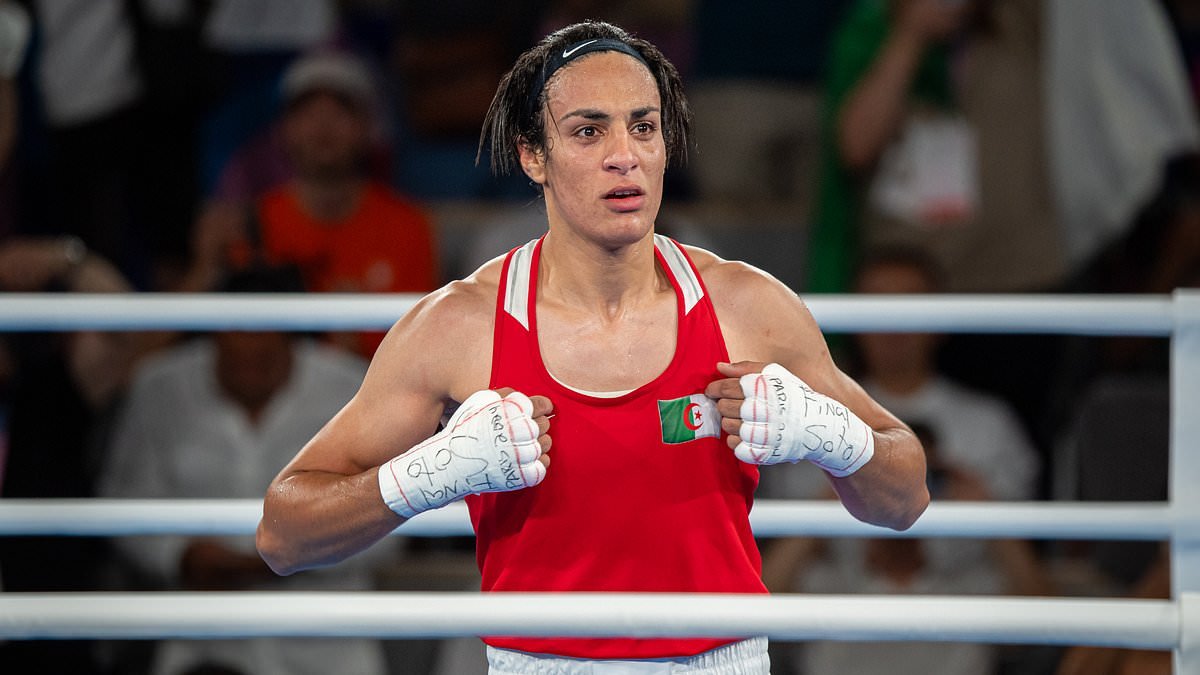
This ruling has sparked significant debate within the sports community and beyond, particularly following high-profile cases involving athletes such as boxer Imane Khelif and weightlifter Laurel Hubbard. The decision has reignited discussions about gender identity, inclusivity, and the definition of fair competition in sports.
What it means
The ban signifies a major shift in the IOC's approach to gender inclusion in athletics. It may influence future policies across various sports organizations worldwide. Additionally, it raises questions about how these regulations will be enforced and the potential impact on athletes currently competing or aspiring to compete in women's events.
Key questions
- Q: What is the situation?
A: The IOC has banned transgender women and DSD athletes from competing in women's sports, implementing sex verification tests. - Q: Why is this important now?
A: The decision comes amid increasing scrutiny of gender policies in sports and follows notable cases that have highlighted the complexities of this issue.








 English (US) ·