.png)
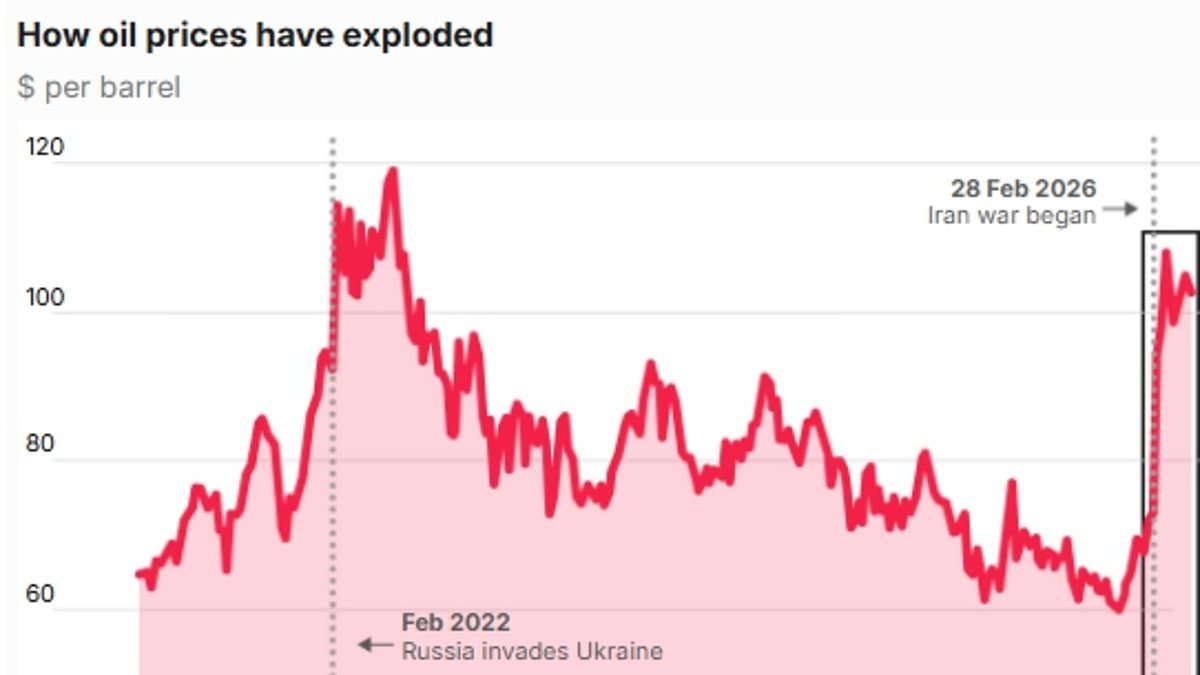
Oil crisis caused by Strait of Hormuz closure 'has sparked the world's biggest ever disruption to energy supplies'
The closure of the Strait of Hormuz has led to a significant disruption in global energy supplies, impacting oil markets worldwide. This situation arises from geopolitical tensions in the region, which are affecting the flow of oil through one of the world's most critical maritime chokepoints.
What happened
The Strait of Hormuz, a vital passage for approximately 20% of the world’s oil supply, has been closed due to escalating conflicts in the area. This closure has resulted in immediate supply shortages and increased oil prices globally. Major oil-producing countries are reporting difficulties in transporting crude oil to international markets.
Why this is gaining attention
The situation is drawing widespread attention as it poses a threat to global energy security. Analysts indicate that this disruption could lead to significant economic repercussions, including rising fuel prices and inflationary pressures in various economies dependent on oil imports. The potential for further escalation in the region raises concerns about long-term stability in energy markets.
What it means
This disruption highlights the vulnerability of global energy supplies to geopolitical events. Countries reliant on oil imports may face increased costs and potential shortages, leading to broader economic implications. The situation underscores the importance of alternative energy sources and supply chain resilience in mitigating future risks.
Key questions
- Q: What is the situation?
A: The Strait of Hormuz is closed, causing major disruptions to global oil supplies. - Q: Why is this important now?
A: The closure threatens energy security and could lead to rising fuel prices and economic instability.








 English (US) ·