.png)
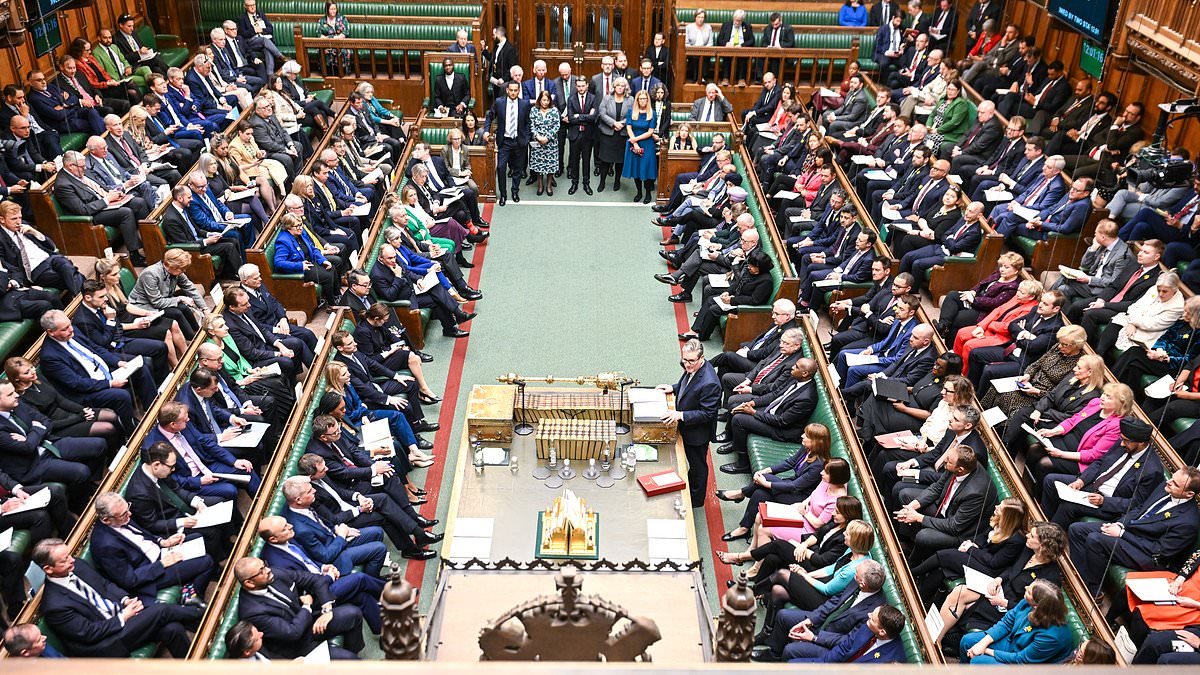
MPs to receive 5% pay rise in April, exceeding NHS workers' increase
Members of Parliament (MPs) will receive a 5% pay rise in April 2024, which is higher than the expected pay increase for NHS workers. The Independent Parliamentary Standards Authority (IPSA) has recommended this adjustment as part of a broader review of MPs' salaries.
What happened
The IPSA announced that MPs' salaries will increase to £85,000 in April, marking a 5% rise from the current salary. This decision comes amid ongoing discussions about public sector pay, particularly in the National Health Service (NHS), where workers are facing lower percentage increases. The IPSA aims to align MPs' salaries with inflation and market rates.
Why this is gaining attention
The announcement has drawn scrutiny as it comes at a time when NHS staff are negotiating for higher wages amid cost-of-living pressures. Critics argue that the pay rise for MPs is disproportionate compared to the proposed increases for public sector workers. The IPSA has indicated that by 2029, MPs' salaries should reach £110,000, further intensifying the debate over public sector compensation.
What it means
This pay rise for MPs could set a precedent for future salary adjustments across the public sector. It raises questions about equity in compensation during a period of economic strain for many workers, particularly in essential services like healthcare. The decision underscores ongoing tensions between government spending priorities and public sector wage demands.
Key questions
- Q: What is the situation?
A: MPs will receive a 5% pay rise in April 2024, increasing their salary to £85,000. - Q: Why is this important now?
A: The pay rise exceeds proposed increases for NHS workers and highlights disparities in public sector compensation.







 English (US) ·