.png)
More than 1.4 million NHS workers to receive 3.3% pay rise after strike action
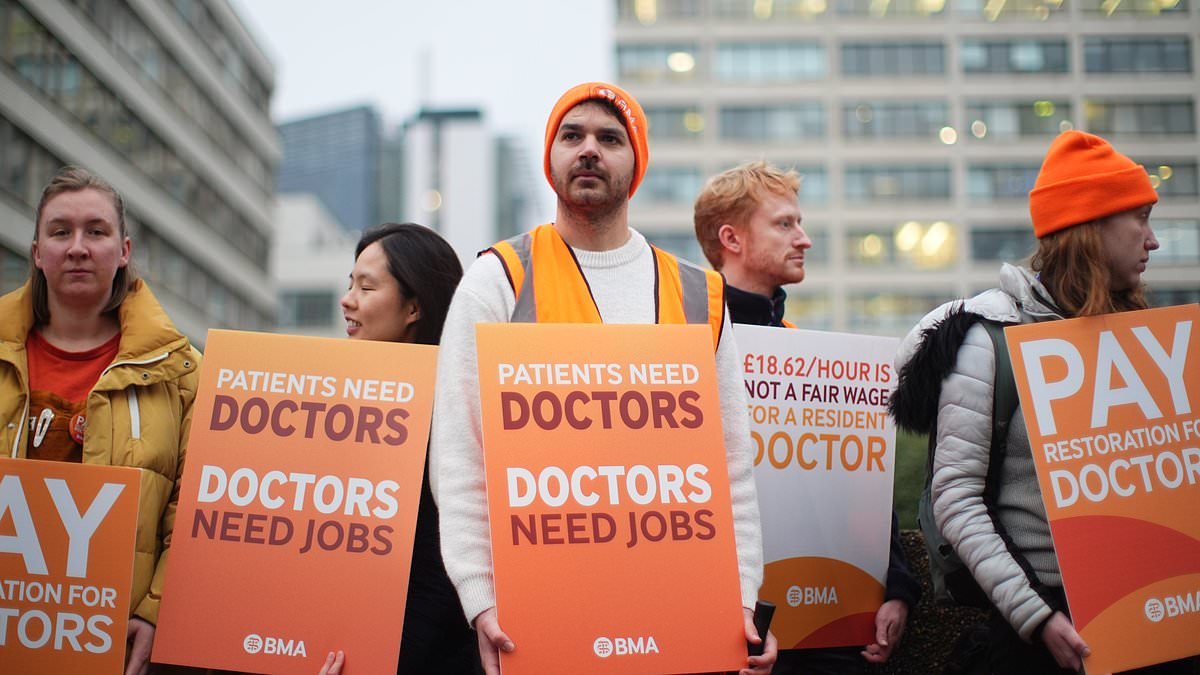
The UK government has announced a 3.3% pay rise for over 1.4 million National Health Service (NHS) workers following significant strike action that disrupted hospital services. This decision comes amid ongoing discussions about fair compensation for healthcare staff, particularly in light of rising living costs.
What happened
The pay increase was confirmed after a series of strikes by NHS staff, including nurses and paramedics, which led to widespread cancellations of surgeries and appointments across the country. The industrial action aimed to address concerns over pay and working conditions within the NHS. The new pay rise will be implemented in April 2024.
Why this is gaining attention
This development is drawing attention due to the scale of the strike action and its impact on healthcare services. The strikes highlighted the challenges faced by NHS workers, prompting public and political discussions about the adequacy of current pay structures in relation to inflation and cost of living increases.
What it means
The approval of the pay rise is expected to improve morale among NHS staff and may help alleviate staffing shortages in hospitals. It also signals a potential shift in government policy regarding public sector wages, particularly in essential services like healthcare. Stakeholders are monitoring how this decision will affect future negotiations between the government and public sector unions.
Key questions
- Q: What is the situation?
A: Over 1.4 million NHS workers will receive a 3.3% pay rise after recent strike action. - Q: Why is this important now?
A: The strikes have raised awareness about pay issues in the NHS, impacting service delivery and prompting government action.




 English (US) ·