.png)
High Court Considers Appeal in Koran Burning Case
The High Court has been presented with arguments regarding the conviction of a man who burned a Koran, with claims that such actions are inherently disorderly. The case has drawn significant legal and public interest.
What happened
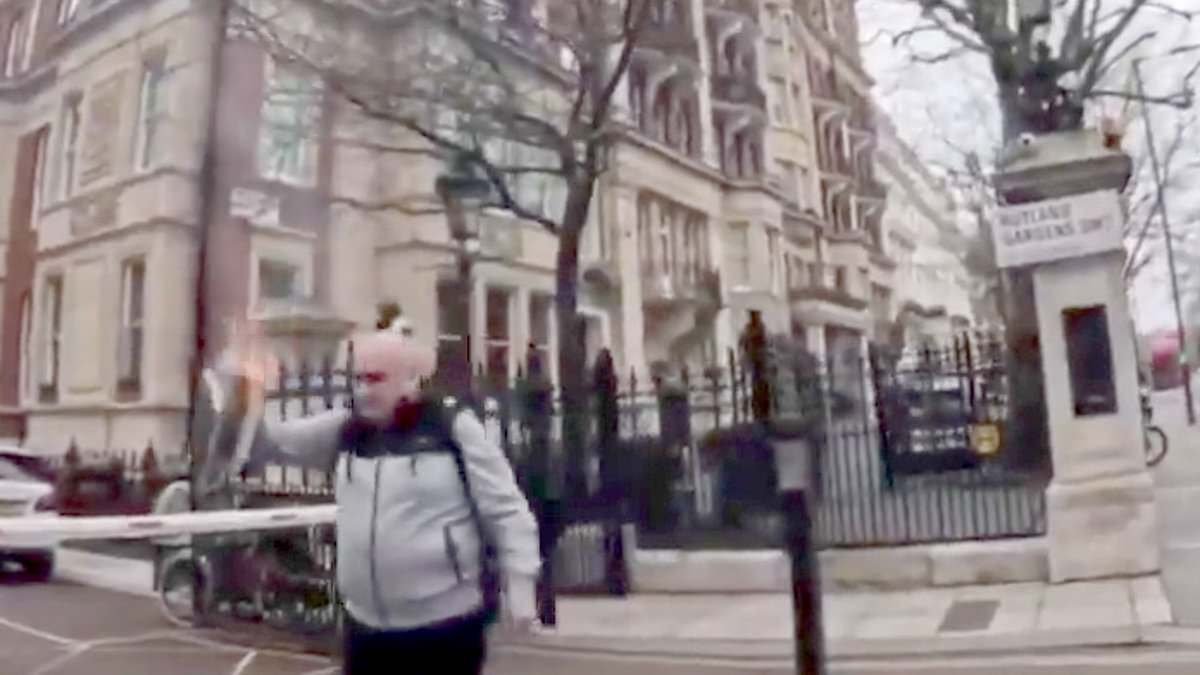
The individual in question was convicted for burning a Koran during a public demonstration. His legal team is appealing the conviction, arguing that burning a religious text should not be classified as disorderly conduct. The appeal was heard by the High Court, where lawyers contended that the act of burning the Koran does not meet the threshold for disorderly behavior under existing laws.
Why this is gaining attention
This case has gained prominence due to its implications for freedom of expression and religious sensitivities. It raises questions about the limits of permissible speech and actions in public spaces, particularly concerning religious texts. The proceedings have sparked discussions among legal experts, civil rights advocates, and community leaders about the balance between free speech and respect for religious beliefs.
What it means
The outcome of this appeal could set a precedent regarding the interpretation of disorderly conduct laws in relation to acts that involve religious symbols. A ruling in favor of upholding the conviction may reinforce legal boundaries around public demonstrations involving religious texts, while a decision to overturn it could broaden protections for controversial forms of expression.
Key questions
- Q: What is the situation?
A: A man is appealing his conviction for burning a Koran, arguing it should not be considered disorderly conduct. - Q: Why is this important now?
A: The case raises significant issues regarding free speech and its limits in relation to religious expressions.





 English (US) ·