.png)
Ancient Dog Bone Found in Somerset Suggests Dogs Were Early Companions to Humans
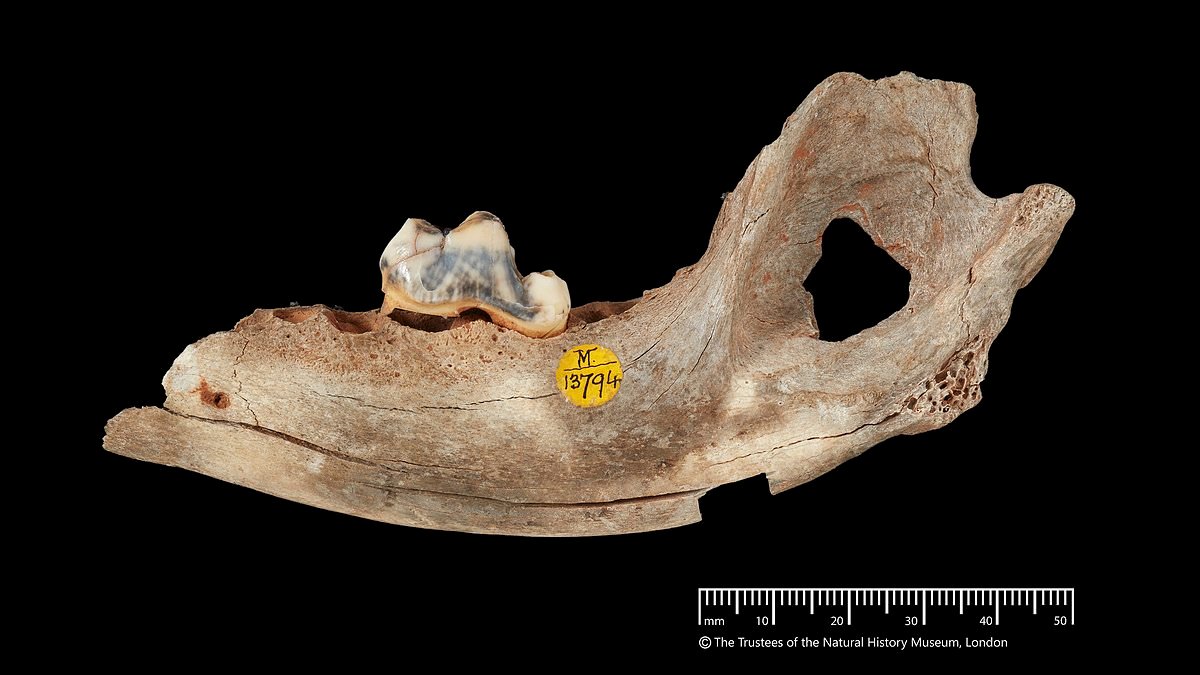
Scientists have discovered an ancient dog bone in Somerset, England, dating back approximately 14,300 years. This finding indicates that domesticated dogs were present in Britain during the Ice Age and served as companions to early human hunters.
What happened
The discovery was made by a team of archaeologists who unearthed the bone at a site known for its rich prehistoric artifacts. The bone has been dated using advanced radiocarbon techniques, confirming its age and suggesting that dogs played a significant role in the lives of Ice Age communities in Britain.
Why this is gaining attention
This finding is significant because it provides new insights into the relationship between humans and dogs during prehistoric times. It challenges previous assumptions about the timeline of dog domestication and highlights the role of dogs as loyal companions to early hunter-gatherers.
What it means
The discovery contributes to the understanding of human-animal relationships in ancient societies. It also opens avenues for further research into how domesticated animals may have assisted early humans in survival and hunting practices during challenging climatic conditions.
Key questions
- Q: What is the situation?
A: An ancient dog bone has been found in Somerset, indicating that dogs were present in Britain 14,300 years ago. - Q: Why is this important now?
A: The finding sheds light on the early domestication of dogs and their role as companions to Ice Age hunters, enhancing our understanding of prehistoric human life.








 English (US) ·