.png)
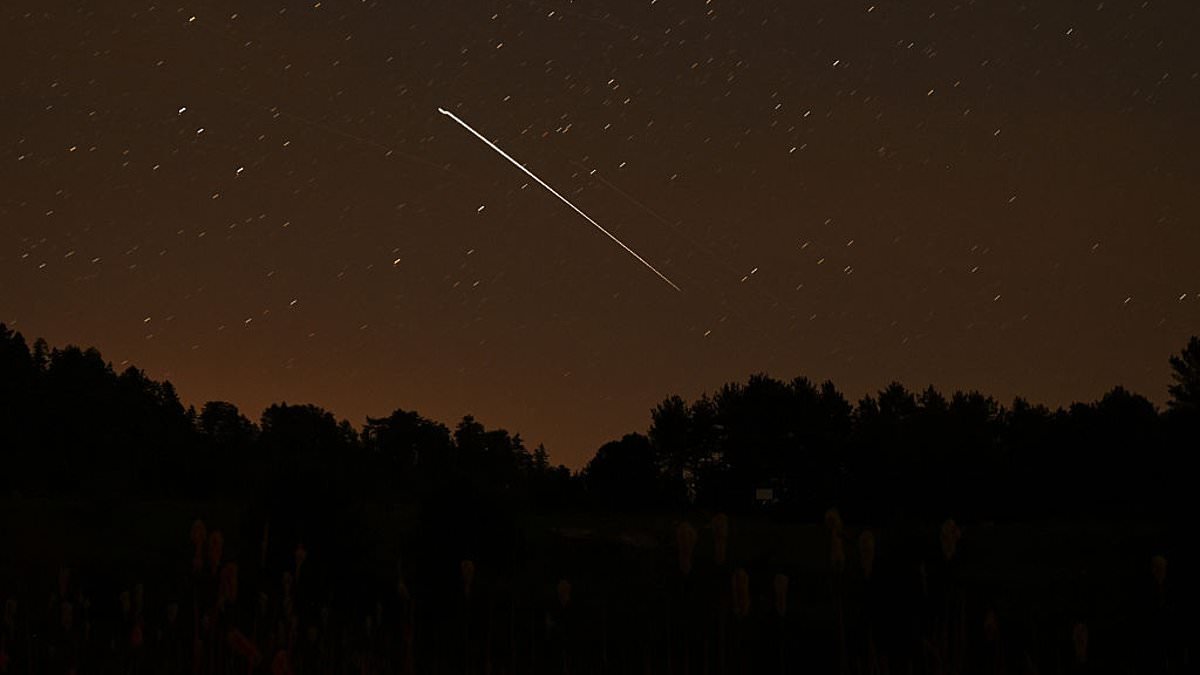
Lyrid Meteor Shower to Peak This Week with Moonless Skies
The Lyrid meteor shower is set to peak this week, offering optimal viewing conditions for stargazers. The event will occur from April 16 to April 25, with the peak expected on the night of April 22 into the early hours of April 23. Observers can expect to see up to 20 meteors per hour under clear, moonless skies.
What happened
The Lyrid meteor shower is an annual celestial event associated with the comet C/1861 G1 Thatcher. This year, the peak activity coincides with a new moon on April 20, which will provide darker skies and enhance visibility for observers. The meteors are known for their bright trails and can be seen in various locations across the globe.
Why this is gaining attention
The Lyrid meteor shower garners interest due to its historical significance and relatively high meteor count. It is one of the oldest recorded meteor showers, with observations dating back over 2,600 years. The combination of favorable weather conditions and the potential for increased visibility during the peak has led to heightened public interest.
What it means
The Lyrid meteor shower offers an opportunity for educational engagement and public interest in astronomy. It serves as a reminder of natural phenomena that can be observed without specialized equipment. The event may encourage individuals to explore outdoor activities and foster a greater appreciation for celestial events.
Key questions
- Q: What is the situation?
A: The Lyrid meteor shower is peaking this week, with optimal viewing conditions expected. - Q: Why is this important now?
A: The combination of a new moon and increased meteor activity makes this an ideal time for observation.








 English (US) ·