.png)
Dark Message Found Inscribed on Ancient Sling Bullet in Holy Land
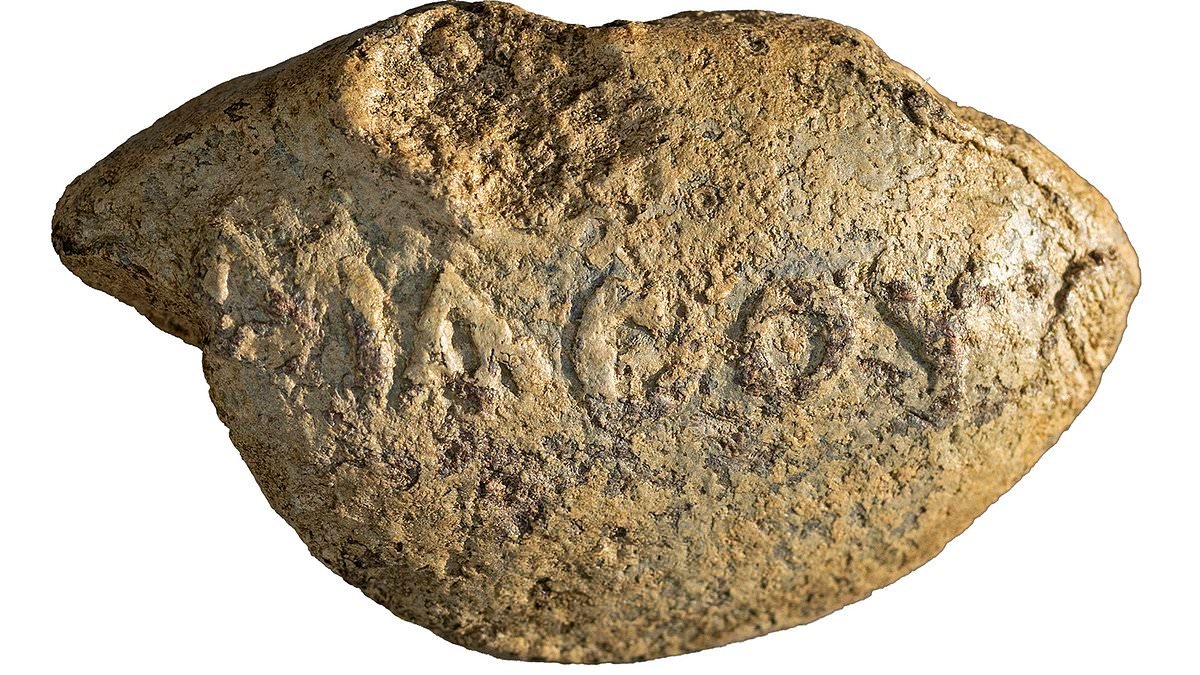
A 2,000-year-old sling bullet inscribed with the phrase "Learn your lesson" has been discovered in the ancient city of Jerusalem. Archaeologists from the Israel Antiquities Authority made the find during an excavation at a site believed to have been used for military training. This discovery provides insight into the historical context of warfare in the region.
What happened
The sling bullet was uncovered in a layer of soil dating back to the Second Temple period. The inscription, which is engraved in Greek, suggests a possible warning or message related to conflict. The artifact was found alongside other items that indicate the area was a significant location for military activities.
Why this is gaining attention
This discovery is attracting attention due to its unique inscription and its implications for understanding ancient military practices. The phrase "Learn your lesson" raises questions about the social and cultural attitudes toward warfare during that time. The find also highlights ongoing archaeological efforts in Jerusalem, a city rich in historical significance.
What it means
The sling bullet adds to the body of evidence regarding the use of projectiles in ancient warfare and reflects the linguistic practices of the era. It may also provide insights into the mindset of those involved in conflicts during the Second Temple period. Such artifacts contribute to the broader understanding of historical narratives in the Holy Land.
Key questions
- Q: What is the situation?
A: A 2,000-year-old sling bullet with an inscription was found in Jerusalem. - Q: Why is this important now?
A: The find offers new insights into ancient warfare and cultural attitudes in the region.








 English (US) ·