.png)
Lanzarote's Volcanic Landscape Turns Green After Unusual Rainfall
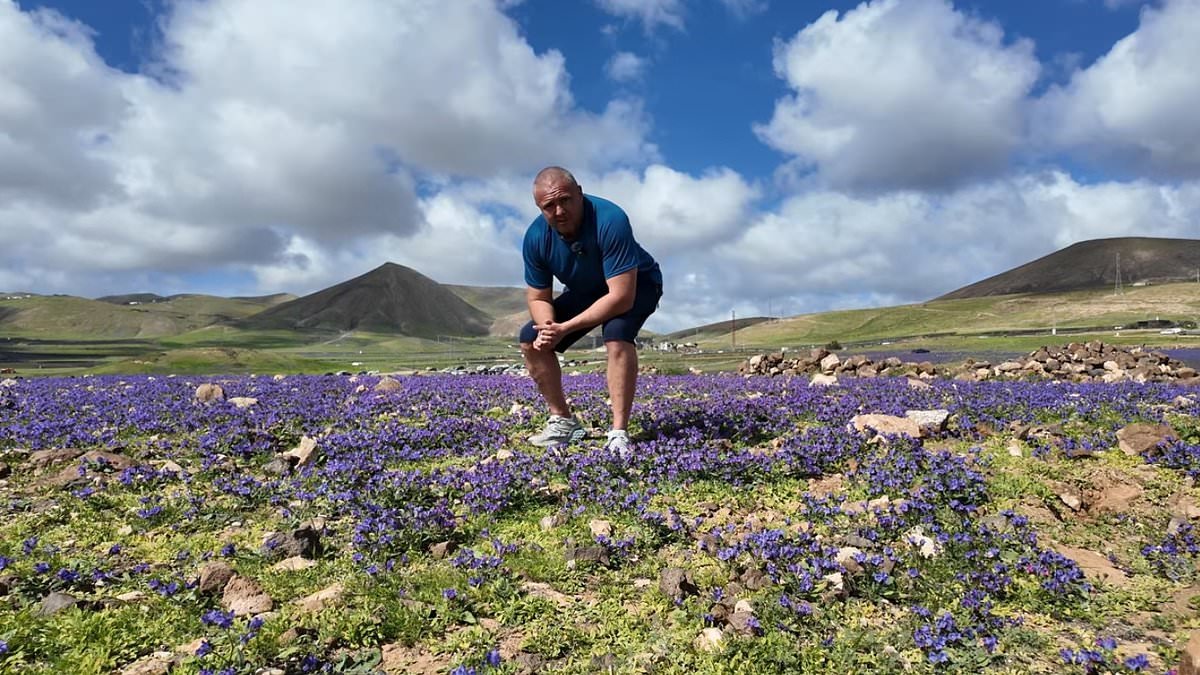
Lanzarote, one of Spain's Canary Islands, is experiencing an unexpected transformation as its volcanic landscape turns green following an unusually rainy start to 2026. This phenomenon is significant for both the local ecosystem and tourism.
What happened
Over the past few weeks, Lanzarote has received above-average rainfall, leading to a remarkable growth of vegetation across its typically arid terrain. The rain has facilitated the emergence of grasses and other plant life in areas previously dominated by volcanic rock and ash. Local authorities have reported a noticeable change in the landscape, with increased greenery observed in various regions of the island.
Why this is gaining attention
The unusual weather pattern has attracted attention due to its rarity in Lanzarote, where dry conditions are more common. Meteorologists have noted that the rainfall levels recorded this year are significantly higher than those in previous years. The shift in the landscape is also drawing interest from environmentalists and tourists alike, who are keen to observe the effects of such weather on the island's unique ecosystem.
What it means
The increase in vegetation may have implications for local wildlife, providing new habitats and food sources. Additionally, the enhanced greenery could impact tourism, as visitors may be more inclined to explore the island's natural beauty during this period of transformation. Local businesses could see changes in visitor patterns as people seek to experience Lanzarote's altered scenery.
Key questions
- Q: What is the situation?
A: Lanzarote is experiencing significant rainfall, resulting in a green transformation of its volcanic landscape. - Q: Why is this important now?
A: The unusual weather pattern is affecting local ecosystems and could influence tourism on the island.






 English (US) ·