.png)
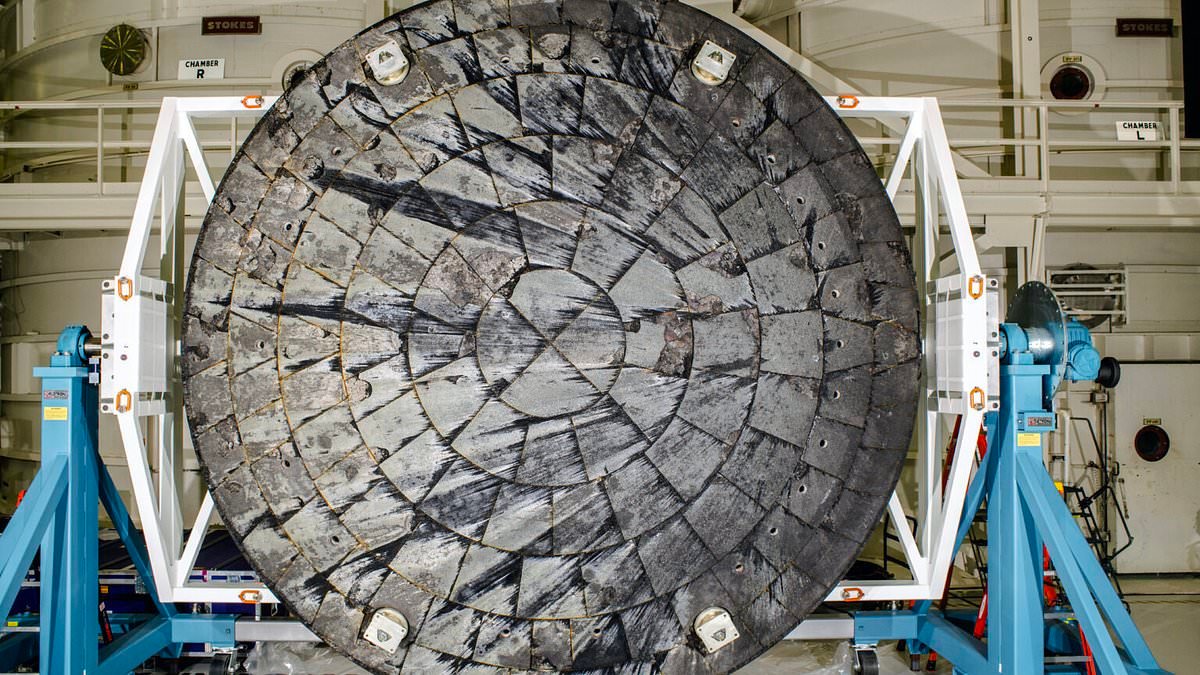
Concerns Raised Over Safety of NASA's Artemis II Mission Heat Shield
NASA's Artemis II mission faces scrutiny as scientists express concerns regarding the heat shield of the Orion capsule. This issue is critical as it could impact astronaut safety during the upcoming lunar mission.
What happened
Experts have identified potential vulnerabilities in the heat shield designed for the Orion spacecraft, which is set to carry astronauts around the Moon. The heat shield is essential for protecting the crew from extreme temperatures during re-entry into Earth's atmosphere. Scientists warn that if the heat shield fails, there would be no viable escape option for the astronauts.
Why this is gaining attention
The concerns come ahead of a planned launch in late 2024, making it crucial to address any safety issues before the mission proceeds. As NASA aims to return humans to the Moon, ensuring the integrity of the spacecraft's systems has become a focal point for both public and scientific scrutiny.
What it means
The discussions around the Orion capsule's heat shield highlight significant safety considerations for human spaceflight. Any failure in this component could jeopardize the lives of astronauts and affect future missions under NASA's Artemis program. Addressing these concerns is vital for maintaining public trust and ensuring mission success.
Key questions
- Q: What is the situation?
A: Scientists are raising concerns about the heat shield of NASA's Orion capsule, which may pose risks to astronaut safety during re-entry. - Q: Why is this important now?
A: The Artemis II mission is scheduled for late 2024, making it essential to resolve any safety issues promptly.








 English (US) ·