.png)
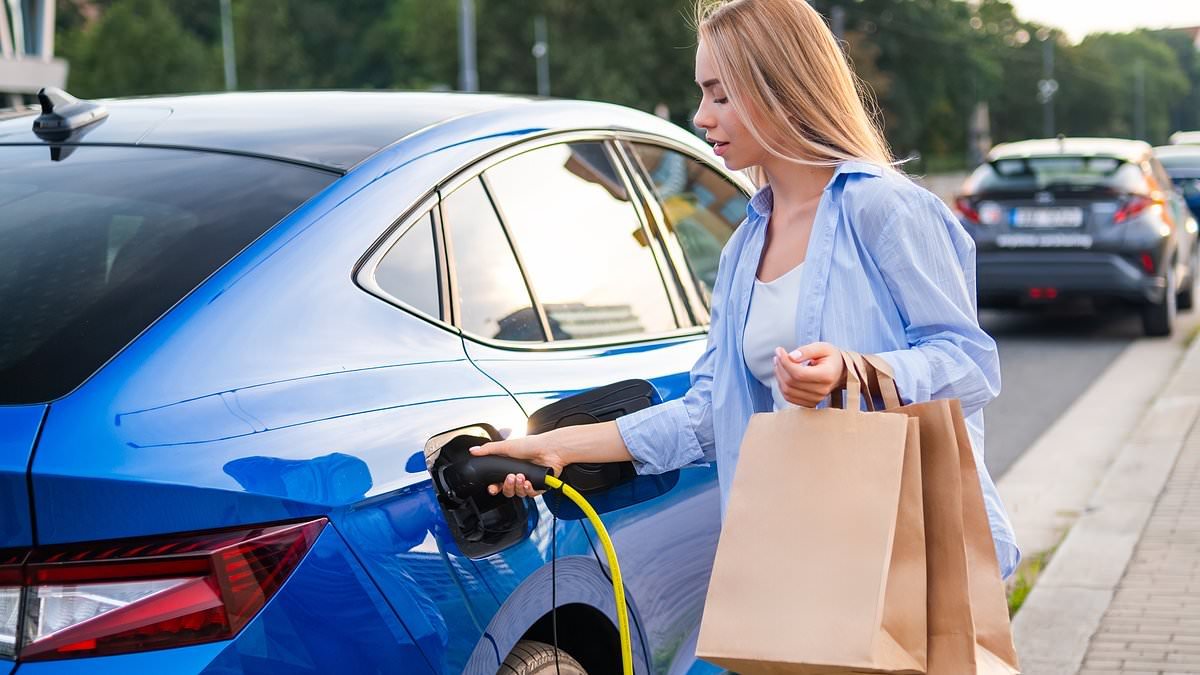
Iran conflict triggers surge in EV demand - here's what to know before swapping to electric
The ongoing conflict in Iran has led to a notable increase in demand for electric vehicles (EVs) globally. This shift is driven by rising fuel prices and concerns over energy security. The situation is particularly significant as countries seek alternatives to traditional fossil fuels.
What happened
Recent tensions in Iran have disrupted oil supplies, causing a spike in gasoline prices. In response, consumers are increasingly considering electric vehicles as a viable alternative. Automakers report heightened interest and sales in EVs, with many manufacturers ramping up production to meet this new demand.
Why this is gaining attention
The situation is drawing attention due to the dual impact of geopolitical instability and economic factors. As fuel costs rise, consumers are looking for cost-effective transportation solutions. Additionally, governments are promoting EV adoption as part of their climate initiatives, further amplifying interest in electric vehicles.
What it means
This trend could accelerate the transition to electric mobility, impacting automotive markets and energy consumption patterns. Increased EV adoption may lead to greater investment in charging infrastructure and renewable energy sources. The shift also highlights the vulnerability of global energy supplies and the need for diversified energy strategies.
Key questions
- Q: What is the situation?
A: The conflict in Iran has caused oil supply disruptions, leading to increased demand for electric vehicles. - Q: Why is this important now?
A: Rising fuel prices and energy security concerns are prompting consumers to consider EVs as an alternative mode of transportation.







 English (US) ·