.png)
Iran Conflict Drives Oil Prices Higher, Panic-Buying Spreads in Europe
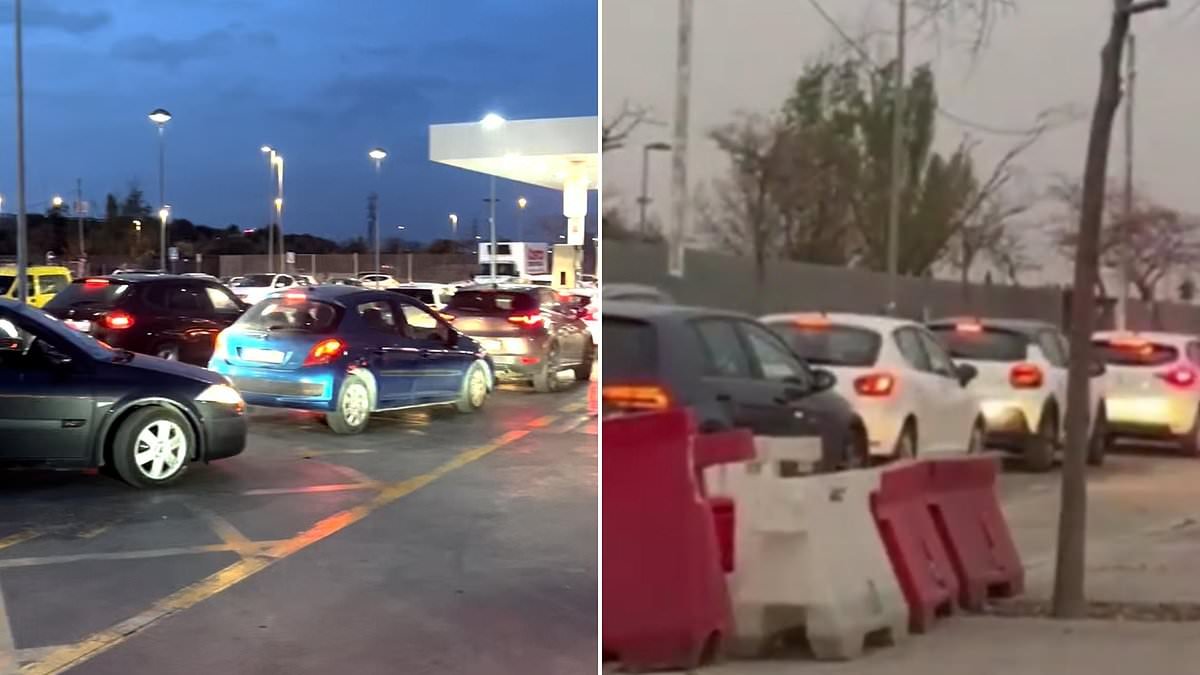
The ongoing conflict in Iran has led to a significant surge in oil prices, prompting panic-buying across Europe. Long queues have formed at gas stations in Spain, while German motorists are traveling to neighboring countries to fill their tanks amid fears of rising fuel costs.
What happened
As tensions escalate in Iran, oil prices have surged, impacting global markets. The conflict has raised concerns about potential disruptions in oil supply, leading to increased demand for fuel in Europe. In Spain, long lines at gas stations have become common as consumers rush to purchase fuel before prices rise further. Additionally, reports indicate that German drivers are crossing borders to seek lower prices in nearby countries.
Why this is gaining attention
This situation is drawing attention due to its immediate impact on consumers and the broader economy. Rising oil prices can affect transportation costs and inflation rates across Europe. The visible panic-buying behavior highlights public concern over potential fuel shortages and escalating prices, which could have lasting effects on daily life and economic stability.
What it means
The implications of the rising oil prices extend beyond consumer behavior. Increased fuel costs may lead to higher prices for goods and services, contributing to inflationary pressures in European economies. Governments may need to address public concerns regarding fuel availability and pricing strategies as the situation develops.
Key questions
- Q: What is the situation?
A: Oil prices are surging due to the conflict in Iran, leading to panic-buying at gas stations across Europe. - Q: Why is this important now?
A: The rise in oil prices affects consumer behavior and could have broader economic implications, including inflation and supply chain disruptions.






 English (US) ·