.png)
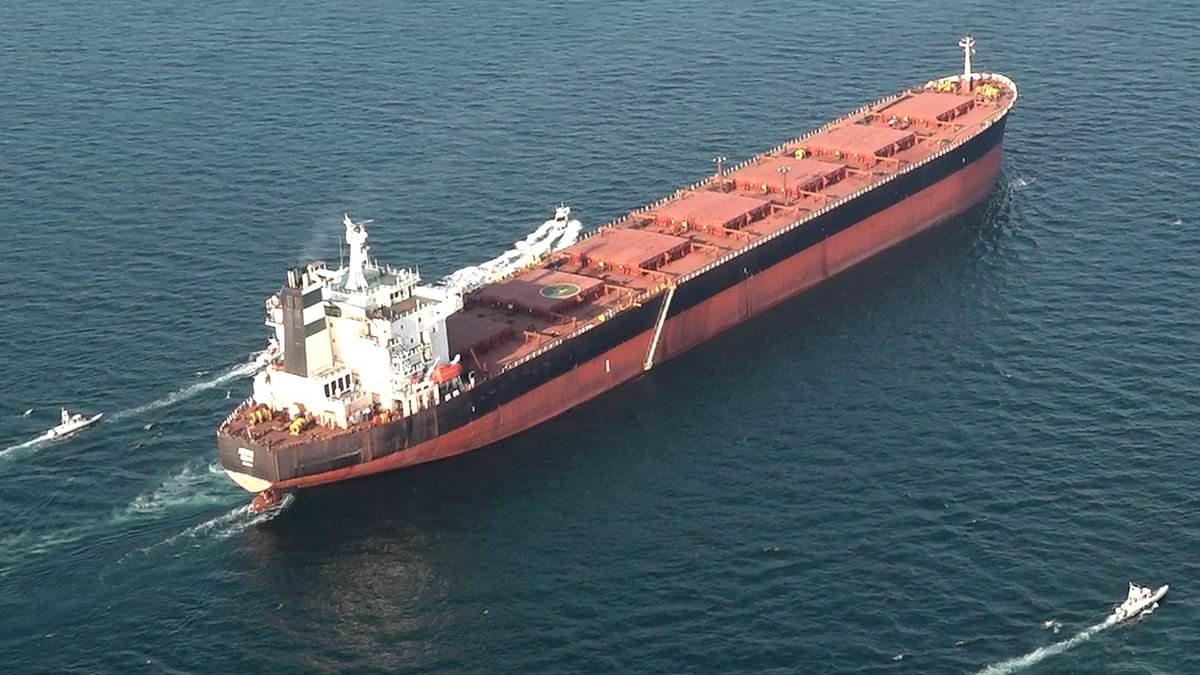
Iran to Charge $1 Million Per Ship in Strait of Hormuz Ceasefire Agreement
The Iranian government plans to implement a fee of $1 million for each vessel passing through the Strait of Hormuz as part of a ceasefire agreement. This decision comes amid ongoing tensions in the region and is expected to impact international shipping routes significantly.
What happened
Iran announced that it would impose a toll on ships navigating the strategically important Strait of Hormuz. The fee is part of a truce aimed at reducing hostilities in the area, which has been a flashpoint for maritime security. The Iranian regime stated that this measure is designed to enhance security and facilitate trade through the strait, which is a critical passage for global oil shipments.
Why this is gaining attention
The announcement has drawn significant attention due to the Strait of Hormuz's vital role in global energy supply. Approximately 20% of the world's oil passes through this narrow waterway. The imposition of a toll raises concerns among shipping companies and international stakeholders about the potential for increased costs and disruptions in oil supply chains.
What it means
This move by Iran could lead to higher shipping costs for oil and other goods, affecting global markets. It may also prompt responses from other nations concerned about freedom of navigation in international waters. The situation highlights ongoing geopolitical tensions in the region and raises questions about future maritime security measures.
Key questions
- Q: What is the situation?
A: Iran will charge $1 million per ship passing through the Strait of Hormuz as part of a ceasefire agreement. - Q: Why is this important now?
A: The Strait of Hormuz is crucial for global oil transport, and this toll could affect shipping costs and international relations.








 English (US) ·