.png)
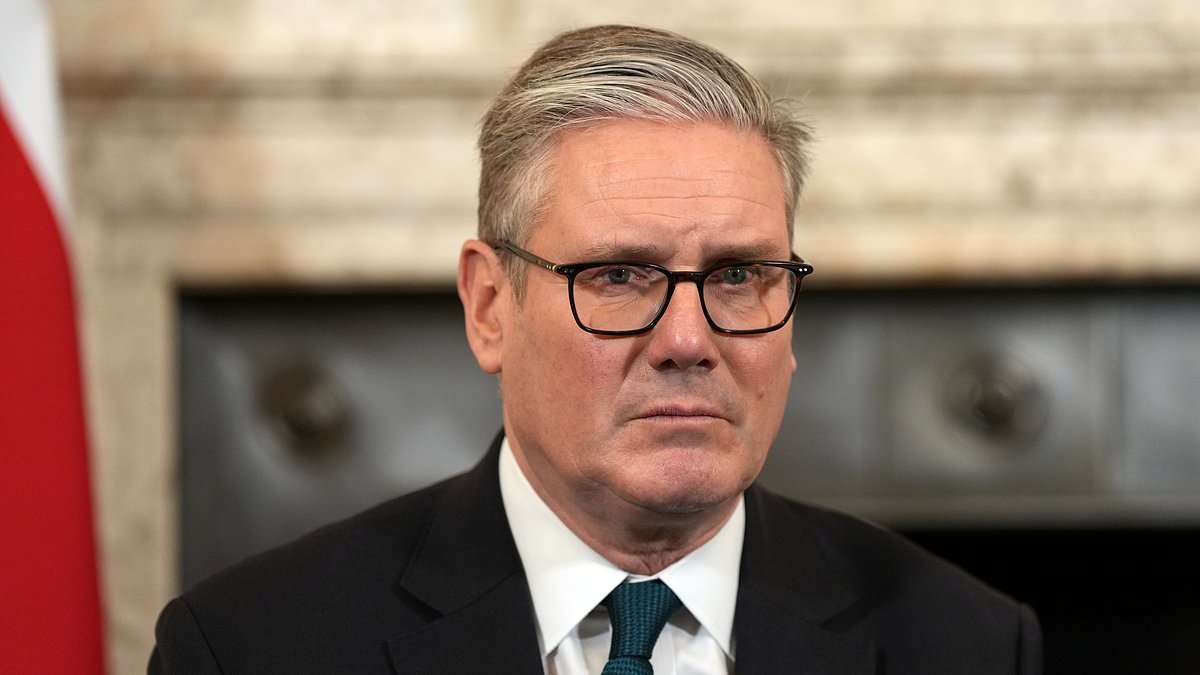
Starmer Faces Pressure Following Resignation of Senior Aide
Labour leader Sir Keir Starmer is under increasing scrutiny following the resignation of Morgan McSweeney, his chief of staff. The departure has prompted criticism from within the party, with some MPs declaring his leadership position "untenable." This situation raises questions about Starmer's ability to maintain support amid ongoing challenges.
What happened
Morgan McSweeney resigned from his role as chief of staff to Sir Keir Starmer, a significant move that has intensified discussions about the Labour leader's effectiveness. Kemi Badenoch, a prominent Conservative politician, criticized Starmer for not taking responsibility for recent decisions that have led to negative outcomes for the party. Several Labour MPs have echoed concerns regarding Starmer's leadership and the implications of McSweeney's resignation.
Why this is gaining attention
The resignation comes at a critical time for the Labour Party as it prepares for upcoming elections. The internal dissent highlights fractures within the party and raises questions about Starmer's leadership capabilities. The comments from Badenoch and Labour MPs reflect growing unease among party members regarding Starmer’s decision-making and overall direction.
What it means
This development may impact Labour's strategy and cohesion moving forward. If dissatisfaction with Starmer continues to grow, it could lead to further challenges in maintaining party unity and effectively campaigning in future elections. The situation underscores the importance of leadership stability in political parties during pivotal moments.
Key questions
- Q: What is the situation?
A: Sir Keir Starmer faces pressure after Morgan McSweeney's resignation, with some Labour MPs calling his position "untenable." - Q: Why is this important now?
A: The resignation raises concerns about leadership effectiveness in light of upcoming elections and internal party unity.







 English (US) ·