.png)
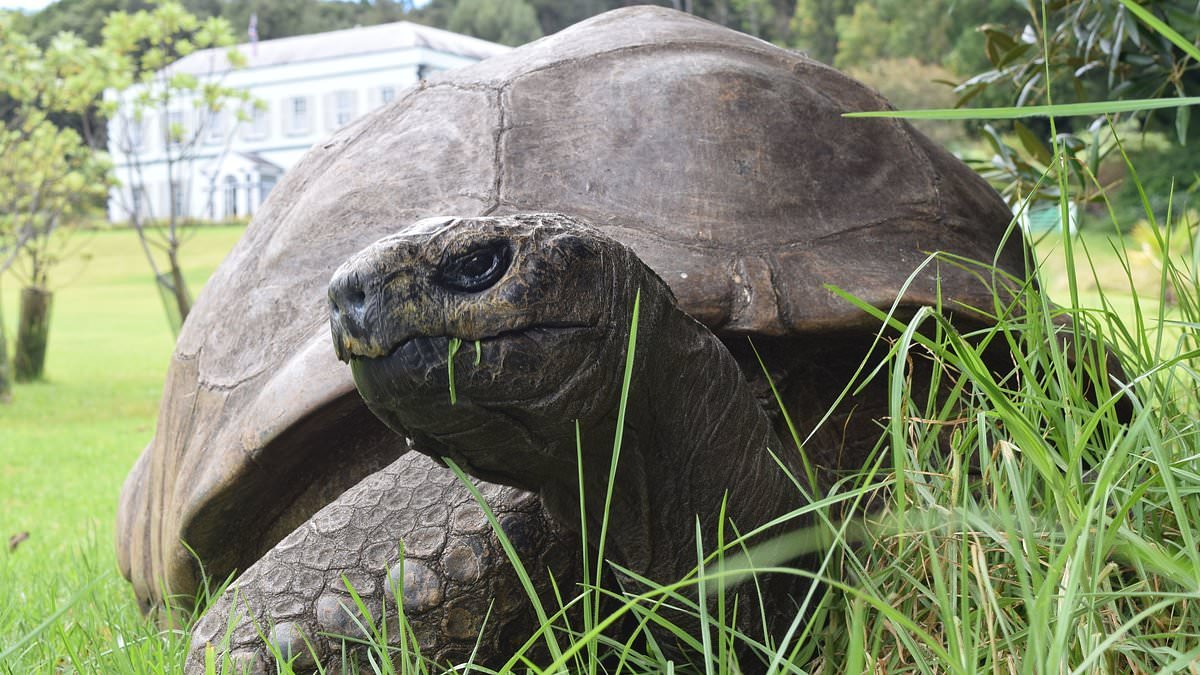
Jonathan the 193-Year-Old Tortoise Found Alive Amid Death Hoax
Jonathan, a tortoise recognized as the world's oldest living land animal, has been confirmed alive after a death hoax circulated online. The tortoise was found resting under a tree on St. Helena, a remote island in the South Atlantic Ocean. This incident highlights ongoing issues with online scams targeting vulnerable individuals.
What happened
Reports emerged claiming that Jonathan had died, prompting an outpouring of condolences and tributes from around the world. However, local authorities located him sleeping peacefully under a tree, dispelling the rumors. The false reports were linked to an online scam where individuals were solicited for cryptocurrency donations in Jonathan's name.
Why this is gaining attention
The situation has gained traction due to Jonathan's status as an iconic figure and the unusual nature of the death hoax. The incident raises awareness about the prevalence of online scams that exploit public sentiment and misinformation. It also underscores the need for vigilance against fraudulent activities that can arise during sensitive times.
What it means
This event serves as a reminder of the potential for misinformation to spread rapidly on social media. It highlights the responsibility of individuals to verify information before sharing it. Additionally, it points to the ongoing challenge of combating online scams that take advantage of emotional situations for financial gain.
Key questions
- Q: What is the situation?
A: Jonathan the tortoise is alive after a false report claimed he had died. - Q: Why is this important now?
A: The incident illustrates the risks of online scams exploiting public emotions and misinformation.








 English (US) ·