.png)
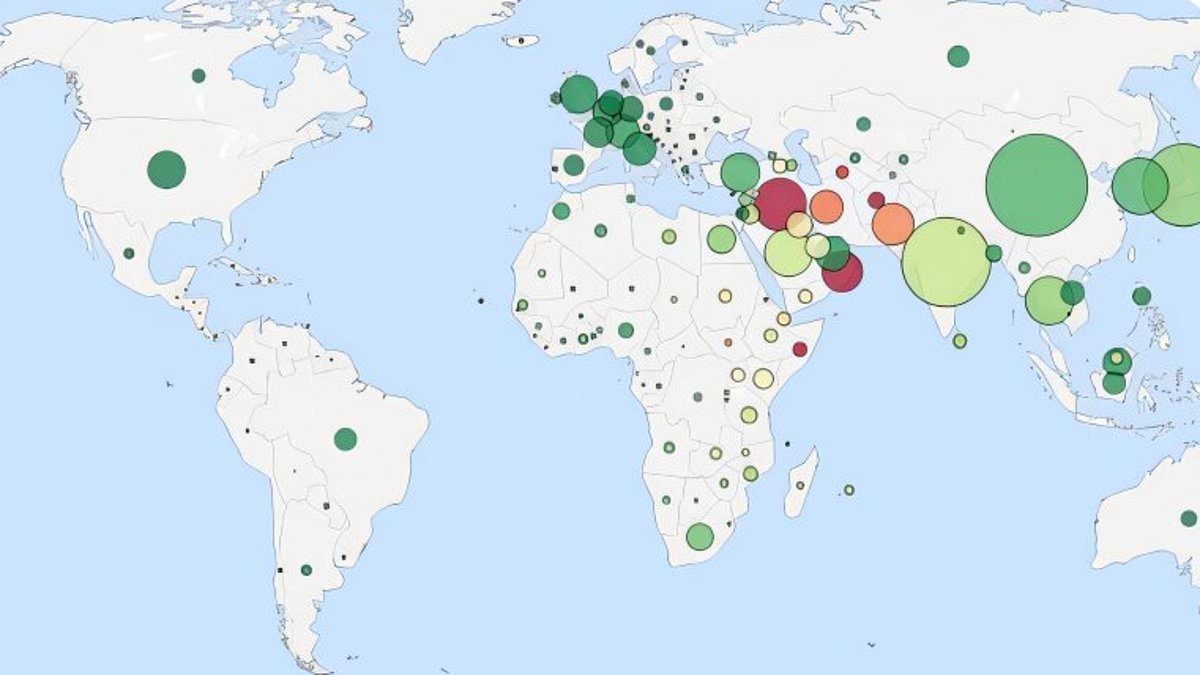
Iran's Closure of the Strait of Hormuz Could Impact Global Supply Chains
Iran has reportedly closed the Strait of Hormuz, a critical maritime route for oil and gas shipments. This action could disrupt global supply chains, affecting exports valued at up to $1.2 trillion. The closure raises significant concerns for international trade and energy markets.
What happened
The Iranian government has announced a blockade of the Strait of Hormuz, which is situated between Iran and Oman. This strait is a vital passage for approximately 20% of the world's oil trade. The closure comes amid escalating tensions in the region, particularly regarding Iran's nuclear program and its relationships with Western nations.
Why this is gaining attention
The situation is drawing widespread attention due to its potential to severely impact global energy prices and supply chains. Analysts are conducting simulations that indicate a blockade could lead to significant economic repercussions, with estimates suggesting losses could reach $1.2 trillion in affected exports. The strait's importance as a transit point for oil makes this development particularly critical.
What it means
The closure of the Strait of Hormuz may lead to increased shipping costs and delays in delivery times for various goods, especially energy products. Countries reliant on oil imports could face higher prices, leading to inflationary pressures globally. Additionally, the blockade could prompt shifts in trade routes and strategies among businesses and governments.
Key questions
- Q: What is the situation?
A: Iran has closed the Strait of Hormuz, impacting global oil and gas shipments. - Q: Why is this important now?
A: The closure could disrupt exports worth up to $1.2 trillion, affecting global supply chains and energy markets.







 English (US) ·