.png)
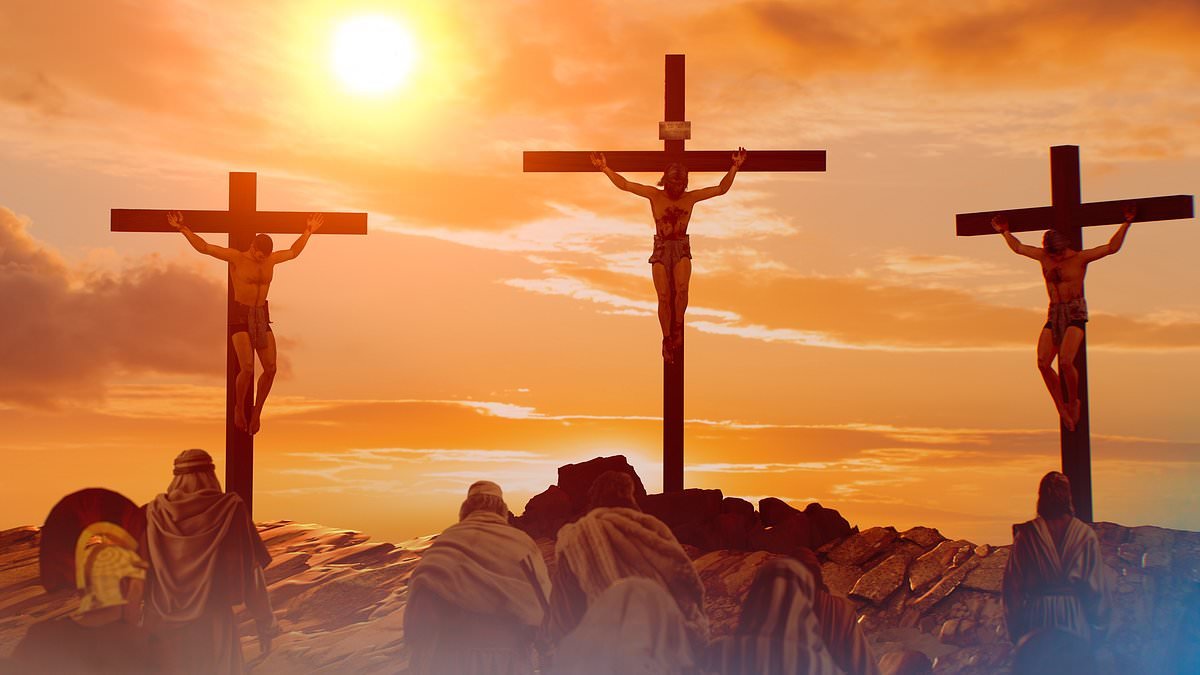
Feud over the 'true' site of Jesus' crucifixion reignites as experts split between two sites
A renewed debate has emerged among scholars regarding the location of Jesus Christ's crucifixion. Experts are divided between two primary sites in Jerusalem, each claiming to be the authentic location where this significant event occurred. This ongoing dispute highlights differing interpretations of historical and archaeological evidence.
What happened
The controversy resurfaced following recent archaeological findings and scholarly publications that support competing claims for the site of Golgotha, where Jesus was said to have been crucified. One faction supports the traditional site at the Church of the Holy Sepulchre, while another group advocates for an alternative location known as Gordon's Calvary. Both sites have historical significance and are visited by thousands of pilgrims each year.
Why this is gaining attention
This issue has gained traction due to new research that challenges long-held beliefs about the crucifixion site. Recent excavations and analyses have provided fresh insights, prompting experts to reassess existing evidence. The debate is further fueled by public interest in biblical history and its implications for Christian faith.
What it means
The disagreement over the true location of Jesus' crucifixion raises important questions about historical accuracy and religious tradition. It may impact pilgrimage practices and tourism in Jerusalem, as well as influence theological discussions within Christianity. The outcome of this debate could also affect how future archaeological efforts are directed in the region.
Key questions
- Q: What is the situation?
A: Experts are divided over two potential sites for Jesus' crucifixion in Jerusalem, with new evidence supporting both claims. - Q: Why is this important now?
A: Recent archaeological findings have prompted a reevaluation of historical claims, igniting public interest and scholarly debate.








 English (US) ·