.png)
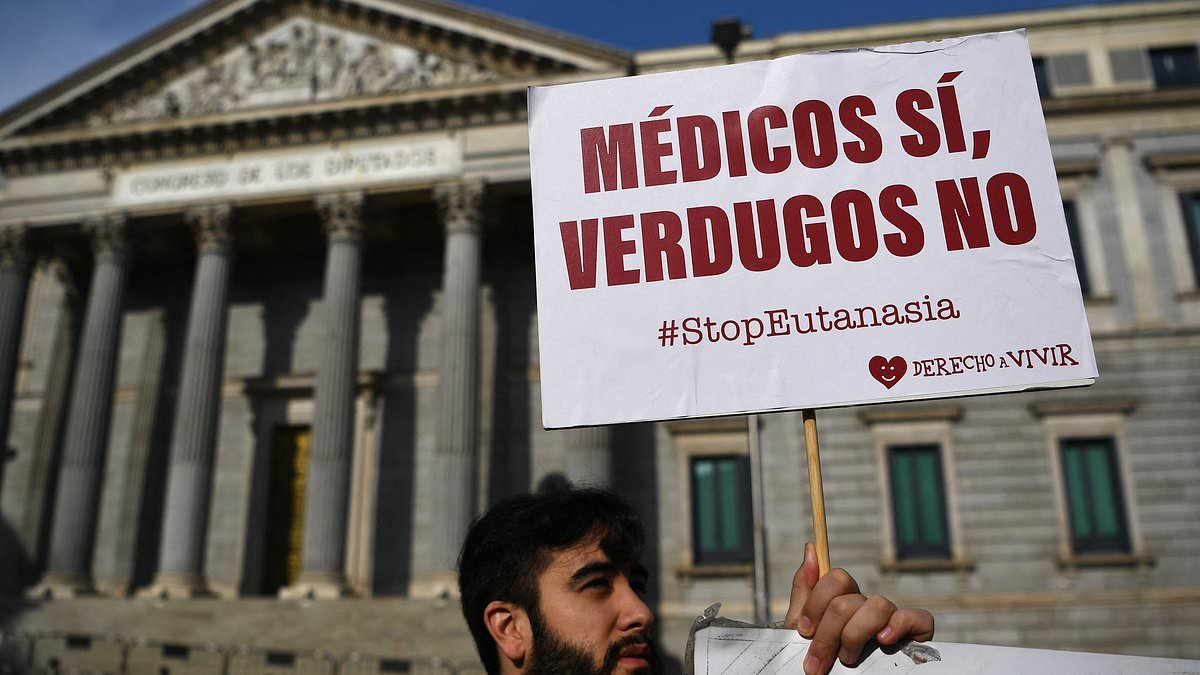
Spanish Court Overrules Father's Bid to Stop Euthanasia for Paraplegic Daughter
A Spanish court has upheld a decision allowing the euthanasia of a paraplegic woman, overruling her father's legal challenge. The ruling is significant as it highlights ongoing debates surrounding euthanasia laws in Spain.
What happened
The court's decision came after the father of a 27-year-old woman, who has been diagnosed with severe disabilities and is paraplegic, sought to prevent her from undergoing euthanasia. The father argued against the legality of the procedure, citing concerns about his daughter's ability to make such a decision. However, the court ruled that the woman had the right to choose euthanasia under Spain's current laws, which permit assisted dying for individuals experiencing unbearable suffering.
Why this is gaining attention
This case has garnered significant media coverage due to its implications for euthanasia legislation in Spain, where laws were updated in 2021 to allow for assisted dying. The ruling raises questions about patient autonomy and the role of family members in such decisions. It also reflects broader societal discussions regarding end-of-life choices and the ethical considerations surrounding them.
What it means
The court's ruling reinforces the legal framework supporting euthanasia in Spain, affirming that individuals have the right to make decisions regarding their own medical care. This decision may influence future cases involving similar circumstances and could lead to further legal challenges as families navigate the complexities of assisted dying laws.
Key questions
- Q: What is the situation?
A: A Spanish court has ruled in favor of a paraplegic woman's right to euthanasia, overruling her father's objections. - Q: Why is this important now?
A: The case highlights ongoing debates about euthanasia laws and patient rights in Spain.






 English (US) ·