.png)
China's Population Declines for Fourth Consecutive Year Amid Record Low Birth Rates
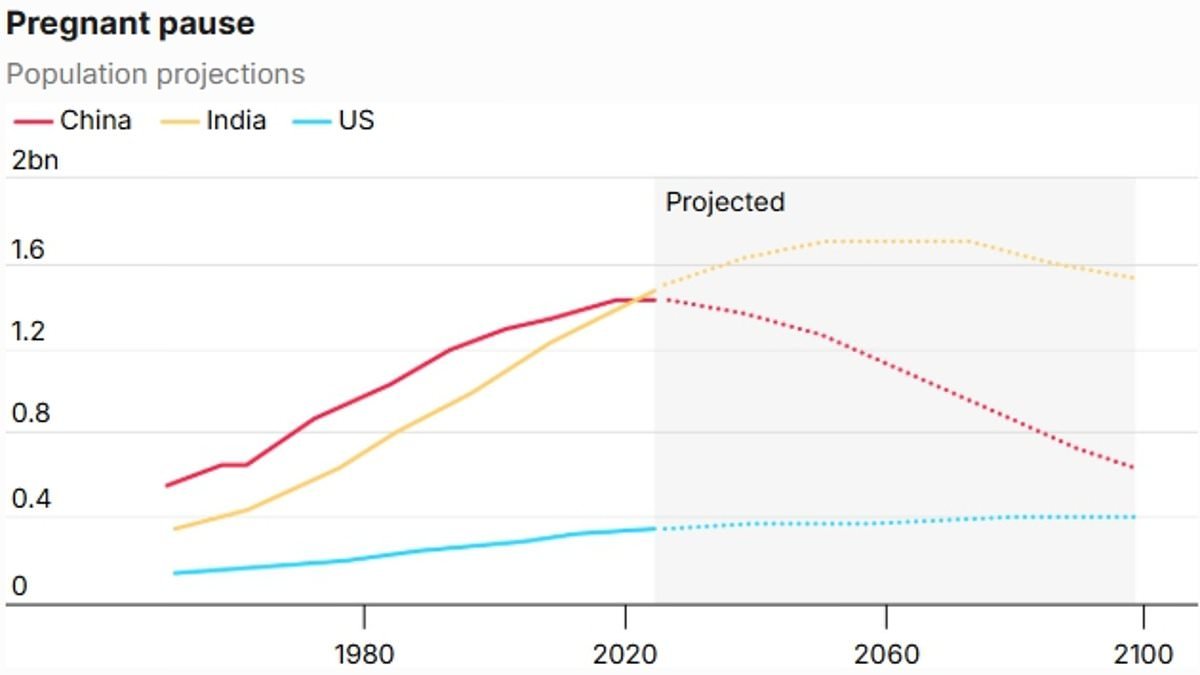
China's population has decreased for the fourth consecutive year, with birth rates falling to a record low. This trend highlights the long-term effects of the country's previous one-child policy and raises concerns about future demographic challenges.
What happened
The National Bureau of Statistics reported that China's population shrank by approximately 850,000 people in 2022, marking the first sustained decline since the 1960s. Birth rates fell to 6.77 births per 1,000 people, the lowest since records began. The decline is attributed to various factors, including economic pressures and changing social norms regarding family size.
Why this is gaining attention
This issue is receiving heightened attention as it underscores significant demographic shifts in one of the world's largest economies. The declining birth rate poses potential challenges for economic growth, labor supply, and social services. Policymakers are increasingly focused on addressing these demographic issues as they could have long-term implications for China's stability and prosperity.
What it means
The ongoing population decline may lead to a shrinking workforce and increased pressure on pension systems and healthcare services. As fewer young people enter the workforce, there could be a negative impact on economic productivity. Additionally, the government may need to reconsider its family planning policies to encourage higher birth rates in the future.
Key questions
- Q: What is the situation?
A: China's population has declined for four years in a row, with birth rates at a record low due to historical policies and current socio-economic factors. - Q: Why is this important now?
A: The demographic changes pose significant challenges for China's economy and social systems, prompting discussions about potential policy adjustments.








 English (US) ·