.png)
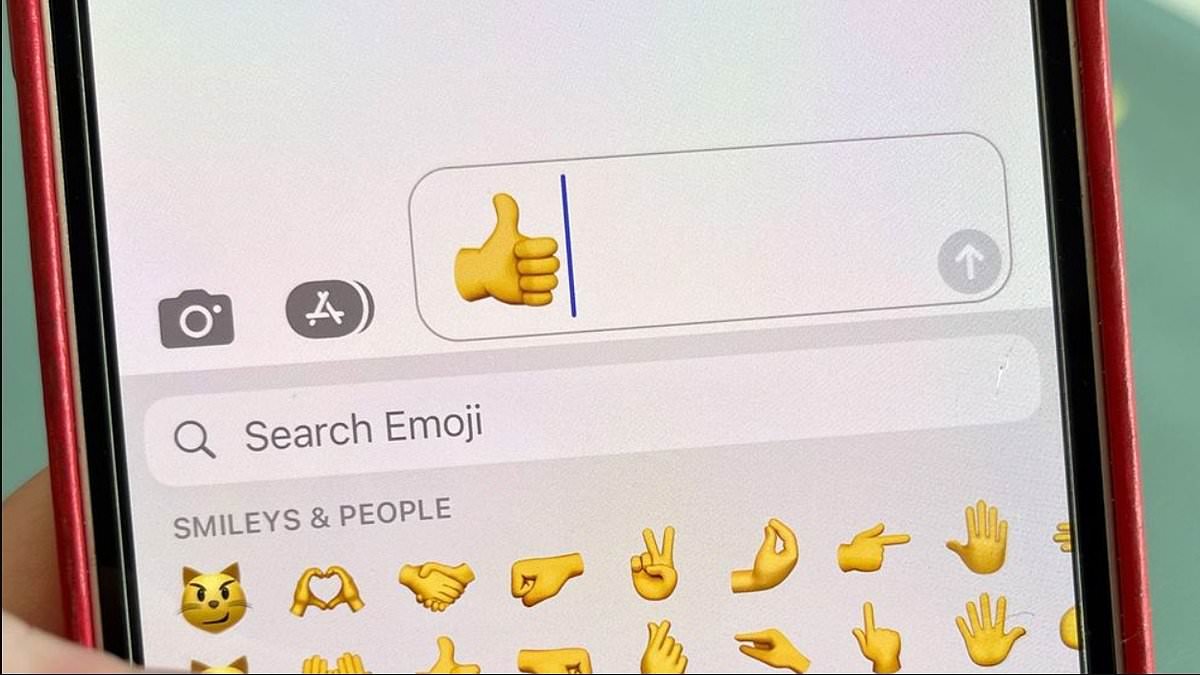
Brits report emoji exhaustion, with thumbs up seen as lazy and heart symbol widely disliked
A recent survey reveals that many people in the UK are experiencing emoji exhaustion. The thumbs up emoji is perceived by some as lazy or rude, while two-thirds of respondents express dislike for the heart symbol. This trend highlights changing attitudes towards digital communication.
What happened
The survey conducted among UK residents indicates a growing dissatisfaction with commonly used emojis. Participants reported that the thumbs up emoji is often viewed as an insufficient response in conversations. Additionally, a significant portion of respondents stated that they find the heart emoji unappealing, suggesting a shift in how these symbols are interpreted in social interactions.
Why this is gaining attention
This topic has gained traction as more individuals engage in discussions about digital communication norms. The findings reflect a broader conversation about the effectiveness and appropriateness of emojis in conveying emotions and intentions. As people increasingly rely on digital platforms for communication, understanding preferences regarding these symbols becomes important.
What it means
The implications of this survey may affect how individuals choose to communicate online. A decline in the use of certain emojis could lead to changes in social media practices and messaging etiquette. This shift may also impact businesses and marketers who utilize emojis to connect with their audiences.
Key questions
- Q: What is the situation?
A: Many Brits report feeling exhausted by emojis, particularly viewing the thumbs up as lazy and disliking the heart symbol. - Q: Why is this important now?
A: The findings highlight evolving attitudes towards digital communication, which may influence future interactions online.








 English (US) ·