.png)
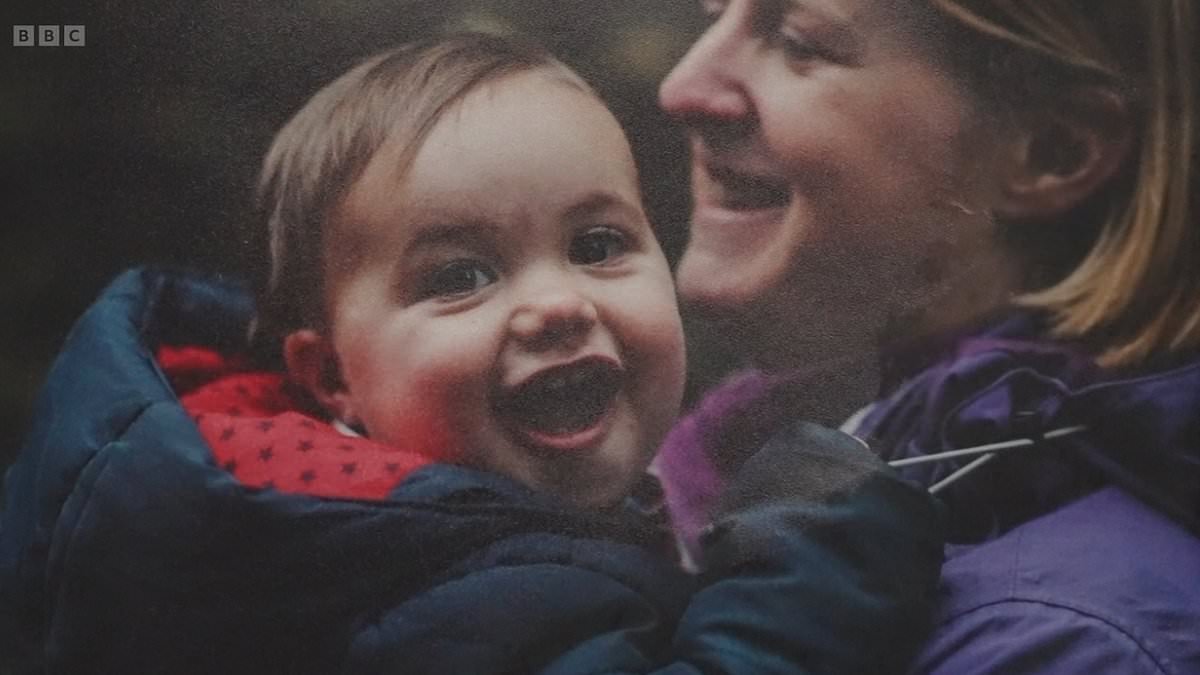
British Parents Receive Wrong Sperm from Foreign IVF Clinics
Several British parents have reported receiving incorrect sperm samples from foreign IVF clinics, leading to unexpected parentage outcomes. This issue raises significant concerns about the practices and regulations of international fertility services.
What happened
A number of families in the UK discovered that the sperm provided to them by overseas IVF clinics did not match their intended donor. The affected parents were informed after genetic testing revealed discrepancies between the biological parentage of their children and the expected lineage. The clinics involved are primarily located outside the UK, where regulations may differ from those in Britain.
Why this is gaining attention
This situation has garnered media coverage as it highlights potential flaws in the oversight of international fertility treatments. Parents are increasingly concerned about the reliability of sperm banks and the implications for family identity. Advocacy groups are calling for stricter regulations and transparency in the fertility industry to prevent similar incidents in the future.
What it means
The revelation raises questions about the ethical standards and regulatory frameworks governing fertility services abroad. It underscores the need for improved protocols to ensure that patients receive accurate information about donors and their genetic backgrounds. This incident may lead to calls for policy changes regarding international IVF practices, particularly for British citizens seeking treatment overseas.
Key questions
- Q: What is the situation?
A: British parents received incorrect sperm from foreign IVF clinics, resulting in unexpected biological parentage. - Q: Why is this important now?
A: The issue raises concerns about regulatory oversight and ethical standards in international fertility treatments.





 English (US) ·