.png)
Britain's 'Oldest Northerner' Identified as Three-Year-Old Girl
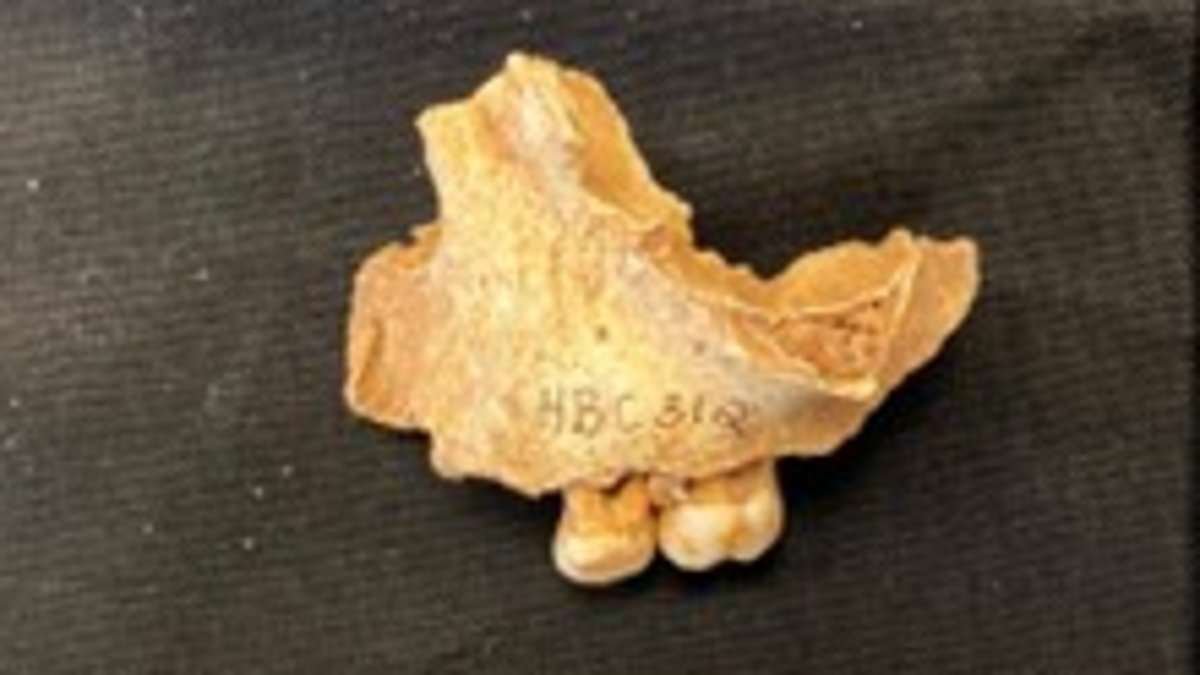
A recent reanalysis of 11,000-year-old human remains in Britain has confirmed that the individual known as the 'Ossick Lass' is a three-year-old girl, not an adult male as previously believed. This finding provides new insights into the prehistoric population of Northern England.
What happened
The remains, discovered in 1987 at a site near Ossick, North Yorkshire, were initially thought to belong to an adult male. However, advanced techniques used in the latest study have established that the skeleton is that of a young child. The analysis focused on skeletal features and dental development to arrive at this conclusion.
Why this is gaining attention
This discovery is significant as it challenges previous assumptions about early human life in Britain. The identification of the remains as those of a child adds depth to our understanding of demographic patterns and social structures during the Mesolithic period. It also highlights the importance of ongoing research in archaeology and anthropology.
What it means
The confirmation that the 'Ossick Lass' was a young girl rather than an adult male alters interpretations of gender roles and childhood in ancient societies. This finding may prompt further studies into the health, nutrition, and living conditions of children during this era. It underscores the need for continual reassessment of archaeological findings as new technologies emerge.
Key questions
- Q: What is the situation?
A: The remains known as the 'Ossick Lass' have been confirmed to belong to a three-year-old girl, not an adult male. - Q: Why is this important now?
A: This finding reshapes our understanding of early human demographics and societal structures in prehistoric Britain.







 English (US) ·