.png)
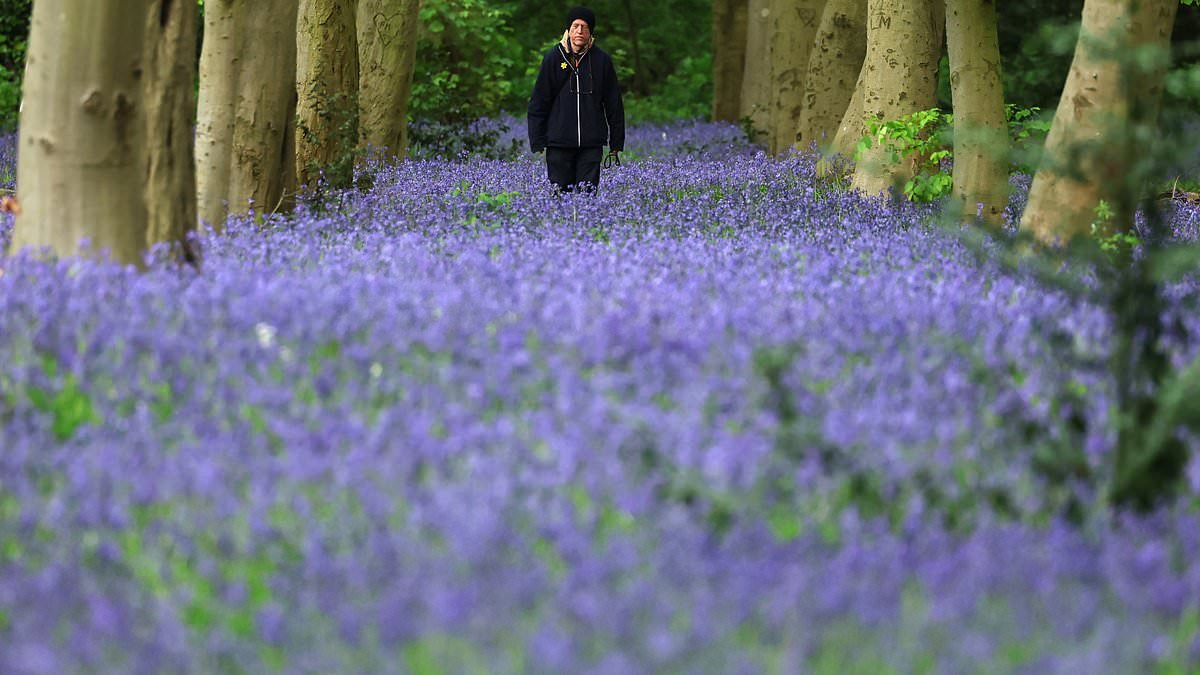
Britain's bluebells bloom unusually early thanks to wetter weather and mild conditions
Bluebells in Britain are blooming earlier than usual this year due to a combination of wetter weather and milder temperatures. This phenomenon has been observed across various regions, particularly in woodlands where bluebells are traditionally found.
What happened
The bluebell season, typically peaking in mid-April to early May, has seen flowers emerging as early as late March in some areas. Experts attribute this early blooming to recent weather patterns, including increased rainfall and above-average temperatures during the winter months. The National Trust and local conservation groups have reported sightings of bluebells ahead of their usual schedule.
Why this is gaining attention
The early bloom of bluebells is drawing public interest as it may indicate broader changes in seasonal patterns due to climate conditions. Naturalists and ecologists are monitoring the situation closely, as shifts in flowering times can affect local ecosystems and biodiversity. Additionally, bluebells are a significant feature of the British landscape, attracting visitors to woodlands during the spring season.
What it means
The early blooming of bluebells could have implications for pollinators and other wildlife that depend on these plants for food. Changes in flowering times may disrupt established ecological relationships. Furthermore, this event may serve as an indicator of climate change impacts on native flora and fauna in the region.
Key questions
- Q: What is the situation?
A: Bluebells are blooming earlier than usual across Britain due to wetter weather and milder temperatures. - Q: Why is this important now?
A: The early bloom raises concerns about ecological impacts and reflects potential changes in climate patterns affecting local ecosystems.








 English (US) ·