.png)
Government Announces Ban on Deep Fried Foods in Schools to Combat Childhood Obesity
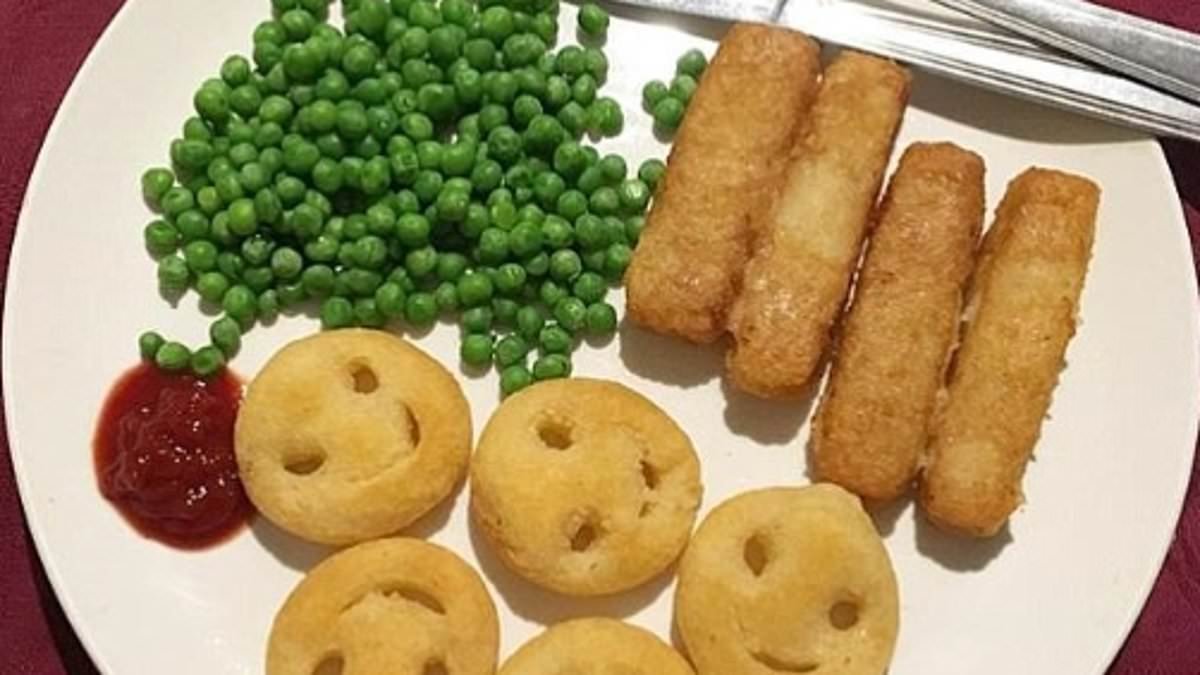
The UK government has announced a ban on deep fried foods in schools as part of a new initiative to address the rising rates of childhood obesity. The decision comes amid increasing concerns over children's health and nutrition.
What happened
This policy change was revealed in a recent government report aimed at improving the dietary habits of schoolchildren. The ban will affect school meals across England, targeting the elimination of deep fried items from menus. This move is part of a broader strategy to promote healthier eating in schools.
Why this is gaining attention
The announcement has sparked discussions about the impact of school meal programs on children's health. Many people are reflecting on traditional British school dinners from the 1960s, 70s, and 80s that included popular but now-banned items such as fish and chips, fried chicken, and other deep-fried options. The nostalgia for these meals contrasts sharply with current health guidelines.
What it means
The ban is expected to lead to significant changes in school meal offerings. Schools will need to adapt their menus to comply with the new regulations, which aim to provide healthier alternatives. This initiative is part of a larger public health campaign focused on reducing obesity rates among children in the UK.
Key questions
- Q: What is the situation?
A: The UK government has banned deep fried foods in schools to combat childhood obesity. - Q: Why is this important now?
A: The ban addresses rising concerns about children's health and aims to improve nutritional standards in school meals.







 English (US) ·