.png)
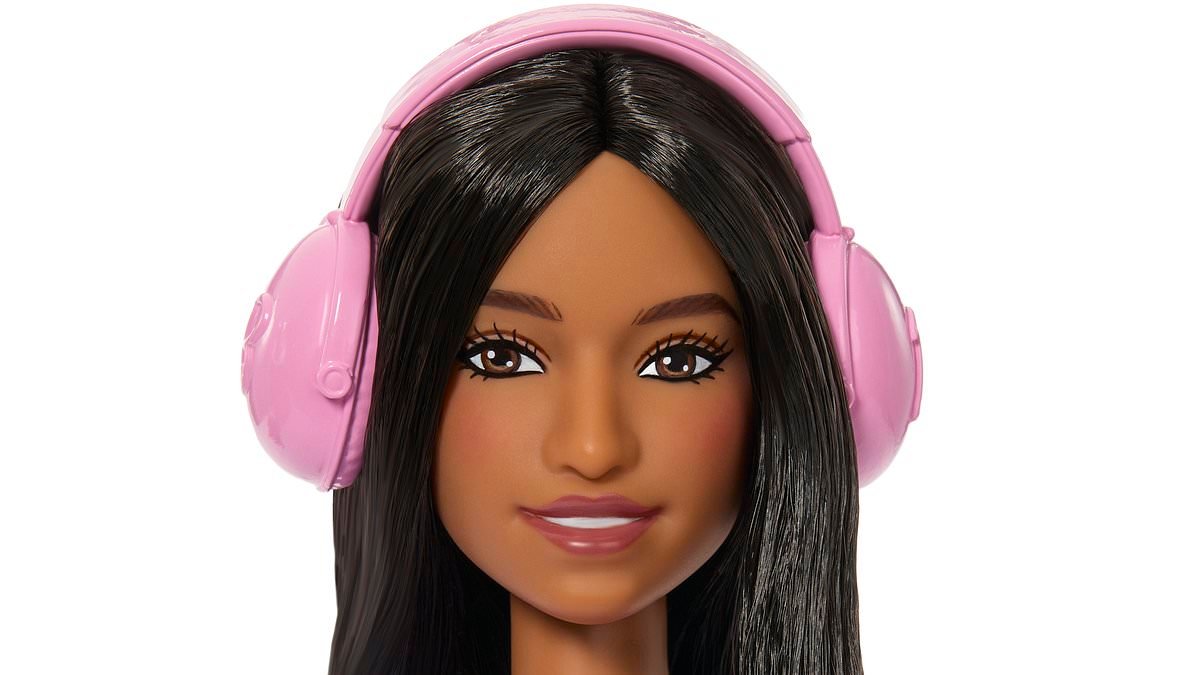
Backlash against first autistic Barbie for 'reinforcing stereotypes'
Mattel's release of the first autistic Barbie doll has sparked criticism for allegedly reinforcing stereotypes associated with autism. The doll features a fidget spinner, noise-cancelling headphones, and side-gazing eyes, which some advocates say may perpetuate misconceptions about autistic individuals.
What happened
The toy company Mattel introduced the autistic Barbie as part of its "Fashionista" line. The doll is designed to represent children on the autism spectrum. However, critics have raised concerns that the doll's accessories and design choices may not accurately reflect the diverse experiences of autistic individuals. Some argue that these features could reinforce negative stereotypes rather than promote understanding.
Why this is gaining attention
The backlash has gained traction on social media platforms and among autism advocacy groups since the doll's announcement. Many advocates are calling for more accurate and nuanced representations of autism in toys and media. The conversation has highlighted ongoing challenges in how autism is portrayed in popular culture.
What it means
This controversy underscores the importance of representation in children's products. It raises questions about how companies approach diversity and inclusion in their marketing strategies. The response to the autistic Barbie may influence future product development and public discourse surrounding autism awareness.
Key questions
- Q: What is the situation?
A: Mattel's release of an autistic Barbie has faced backlash for potentially reinforcing stereotypes about autism. - Q: Why is this important now?
A: The criticism highlights ongoing discussions about accurate representation of autism in media and consumer products.








 English (US) ·